Sammie Garrett was 31 years old the night his life could have been saved. It was 2011, and he was out with friends, partying as so many young people do. Someone handed him ecstasy pills. What no one knew was that the pills were laced with fentanyl. Sammie collapsed.
His friends stood there. They saw him going down. And they did not pick up the phone.
They knew that if they called 911, the police would come. Questions would follow. And under Wisconsin law, the people who handed Sammie those pills could be charged with his death. So they made a choice that has haunted his mother ever since. They left him.
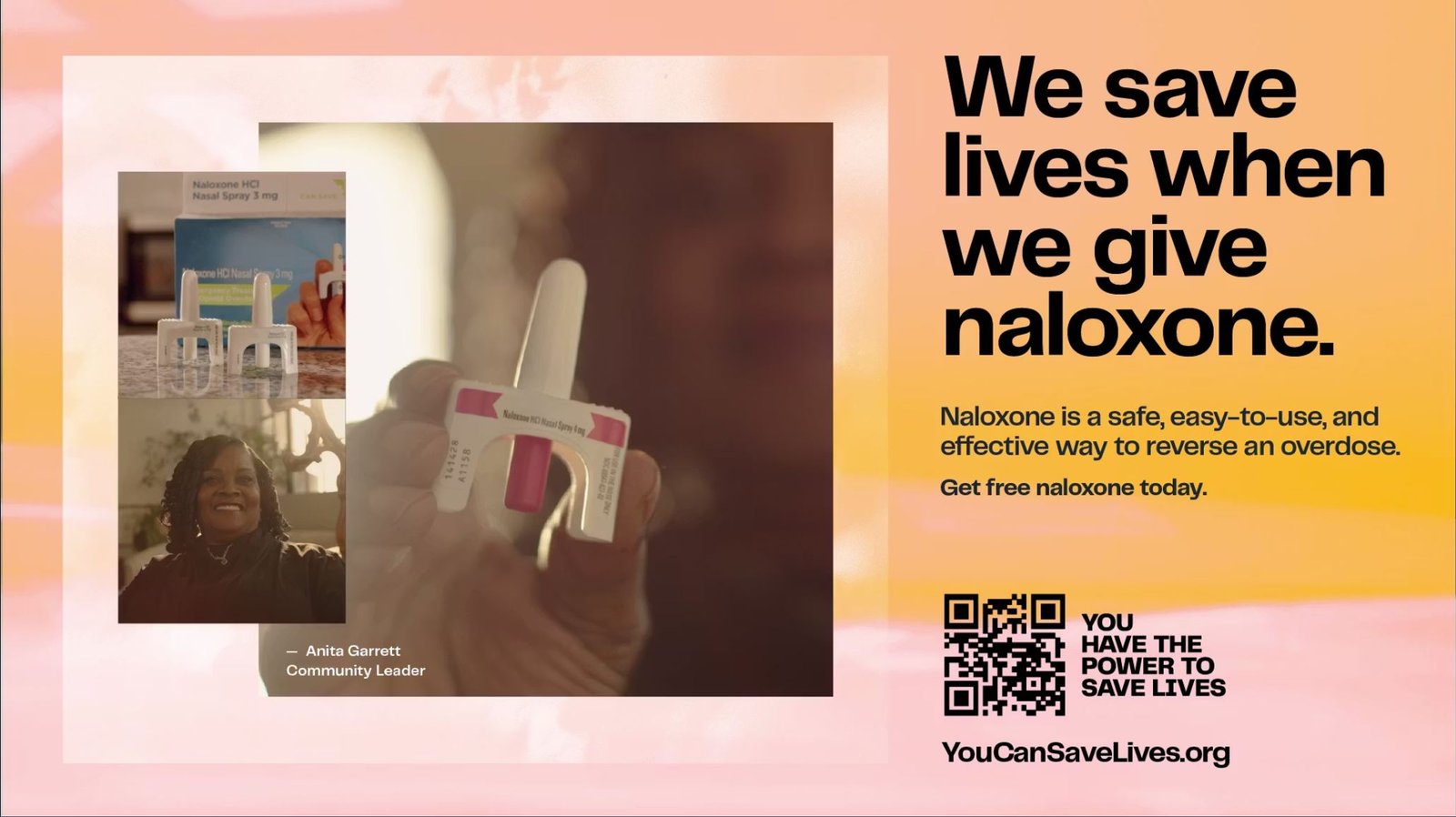
“People ask themselves, Do I want to get involved with this? Do I want to get entangled in the criminal aspect of saving a life?” says Anita Garrett, Sammie’s mother, now a community leader and advocate working to stop overdose deaths. “That’s what happened with my son. It’s because they didn’t want to go to jail that he died. They knew if they called 911, they would face questioning and maybe go to jail. They didn’t want to be prosecuted. They didn’t want their names out there with the law. And then they just left him.”
Sammie died. And a mother was left to carry a grief that never lifts.
A Law Built to Punish
Wisconsin has one of the harshest approaches to overdose deaths in the country. When someone provides drugs that lead to a fatal overdose, the state prosecutes it as First-Degree Reckless Homicide under Wisconsin Statute § 940.02(2), known as the Len Bias law. It is a Class C felony. Three years ago, the penalty was increased to a maximum of 60 years in prison and fines up to $100,000.
The bar for conviction is low. Prosecutors do not have to prove that the drug you provided was the only cause of death. They only need to show it was a substantial factor. Every person who passed the drug along the chain is treated as having delivered it.
Since 2000, more than 500 people have been charged under this law in Wisconsin. Historically, the state has ranked among the top three in the nation for prosecuting drug-induced homicide deaths.
Lawmakers said the law was meant for drug kingpins, the big for-profit dealers poisoning communities. But that is not who ends up in handcuffs. A review of cases found that up to 90% of people charged are friends, relatives, or people who used drugs alongside the person who died. They are not cartel bosses.
They are the person who was in the room. Often, they are the person best positioned to save a life.
Two Laws That Cancel Each Other Out
On paper, Wisconsin also has a Good Samaritan law enacted in 2014. Under Wisconsin Statute § 961.443, someone who calls for medical help during an overdose gets limited immunity from certain drug possession charges and probation violations. The idea is simple: encourage people to call for help without fear.
But the immunity has a hole big enough to drive a hearse through. It does not protect the caller from being investigated and charged with drug-induced homicide. So if you call 911 to save your friend, and your friend dies, and the police decide you supplied the drugs, that Good Samaritan protection vanishes.
You can still face up to 60 years. Moreover, the overdose survivor is also given a choice to participate in treatment, or if it’s inaccessible or unaffordable, they have to choose to go to jail for 15 days.
Anita Garrett sees the contradiction clearly.
“People don’t want to go to jail. They don’t want to be prosecuted. If someone could be prosecuted, do you think they are going to call 911?” she asks. “But the right thing is to save a life. Every life is worth saving. It really seems that the Good Samaritan law and the drug-induced homicide law contradict each other. They don’t deliver the results needed: saving lives.”
She has watched the cost pile up around her.
“People are ODing in Wisconsin every day. They’re finding all of these bodies,” Garrett says. The cause of death is overdose, but people aren’t reporting bodies because they don’t want to be arrested.”
Megan’s Pink Urn
Bev Kelley-Miller also experiences the agony of knowing her daughter might still be alive if someone had helped. On April 14, 2015, she received a phone call at five o’clock that sliced her life into before and after. Her youngest daughter, Megan Rose Kelley, 22, of Appleton, died from a heroin overdose.
Kelley-Miller calls it preventable, and she means it in the most literal way possible.
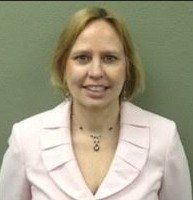
“What I mean by 'preventable' is: number one, she had Narcan, and it was available. It wasn’t used,” she says. “And we have in Wisconsin a 911 Good Samaritan law that does not provide immunity protections to people. My daughter was on probation, and her user friend was on extended supervision, and he completely failed to call to save her life because he did not want to be revoked and sent to prison.”
Megan had struggled with addiction. She used both heroin and prescription painkillers. Heroin took her life. There is a cruel symmetry to her story. Megan herself had once faced a prison sentence for selling heroin that led to another young woman’s overdose. That 19-year-old woman lived, saved by Naloxone. Megan did not get that chance.
Kelley-Miller has stood before Wisconsin lawmakers and begged them to see what she sees.
“I have testified before the legislature that we should not be punishing people for calling to save a life. And to put the focus on saving a life,” she says. I do not know how to get to their hearts. They all say, Oh, I’m sorry for your loss. But then they still want to do the punishment part. And I’m like, if this were your kid, would you want them to die because somebody left them? But they don’t get that part, because they don’t feel my real pain, my forever lost journey without my daughter.”
She rejects the logic that turns one survivor into a murderer. “If you’re seeking drugs on the street, and your friend gives you a pill, they don’t know what’s in it either,” Kelley-Miller says. “I truly believe that two friends using are equal. One lives, one dies. The one who lives should not be charged with the death of the person who dies. It’s random. It wasn’t intentional. It was the luck of the draw. My daughter didn’t get that luck, but her user friend did. If this guy had not faced the threat that he might be charged, he could have saved my daughter’s life.”
Out of that grief, she built something. Through the Megan Kelley Foundation, Kelley-Miller now works to curb the opioid and heroin epidemic. She created the Wisconsin Memorial Quilts, stitched with the faces of the dead. “I have five quilts with pictures of people’s faces on them, their name, their birthdate, their death date, their forever age, and the city that they’re from,” she says. “I put parents and children together. I put siblings together. There are multiple families with three people who have died in their families.”
Furthermore, the photos in the quilts don’t look like people suffering from drug addictions. “The media portrayals shape our minds to believe there is a look to people from the back alleys, shooting up and falling over, or a disheveled person,” she said. “The reality is, Substance Use Disorder can happen to anyone.”
With a master’s in psychology, she goes into schools, bringing Megan with her. “I hold up the urn, and I say, ‘I brought Megan along today, and she’s in this pink urn,’” Kelley-Miller says. Then she tells the students the story of her daughter’s life and her passing, hoping some of them choose a different path.
Turning Witnesses Into Suspects
Alan Robinson has spent years watching these laws play out on the street. As operations manager for PULSE and executive director of the Satori Recovery Project, he provides direct support to people who are unhoused and who use drugs. He does not mince words about what these statutes actually do.
“The drug-induced homicide law and the Good Samaritan law don’t prevent overdoses. They make people afraid to call for help,” Robinson says. “And if the person who’s most likely to save your life is also the person most likely to be charged with your death, then the law itself has become part of that danger.”
He returns again and again to one simple truth.
“The bottom line is we cannot prosecute our way out of overdose,” he says. “These laws turn witnesses into suspects, grief into punishment, and preventable death into criminal cases.”
Robinson also names something the statistics only hint at. These laws, he argues, do not land evenly.
“Lawmakers create harsher drug penalties, and they always claim that they’re targeting kingpins. But history tells us that the people who actually get targeted are the people closest to poverty and addiction,” he says. “This is nothing more than a rebranding of the drug war. And these laws always fall hardest on Black people, poor people, unhoused people, and people who are already under surveillance. “They’re not enforced equally, and they never have been.”
The problem, Robinson says, is that the laws do not exist in isolation.
“They operate inside a criminal legal system that already over-polices Black communities, overcharges Black defendants, and treats Black grief differently than it does White grief,” Robinson says. “If two people used together and one of them dies, the law shouldn’t be trying to turn the surviving person into a murderer simply because the system needs someone to punish.”
He puts the contradiction between the two laws in the plainest possible terms.
“The Good Samaritan laws are supposed to encourage people to call 911 during an overdose. But the drug-induced homicide laws do the opposite by making the person who calls 911 the person who’s first investigated for the homicide,” he says. “Good Samaritan laws are built on the idea that whoever’s reaching out for help should have some immunity. But the drug-induced homicide laws destroy that premise. Good Sam laws are about saving lives in the moment. Drug-induced homicide laws are about assigning blame after death.”
What Reform Could Look Like
The families who have paid the highest price are not asking for chaos. They are asking for a system that values a living person over a closed case.
Robinson says PULSE is working with a coalition to pass a Good Samaritan law that is truly all-encompassing, one that actually protects the person who picks up the phone. “Real immunity, not the hollow version currently on the books,” he says. “Because as long as a caller can be charged with homicide, the promise of protection is a fiction, and people will keep dying in silence.”
Anita Garrett still thinks about the friends who left Sammie behind. She does not excuse them, but she understands the trap the law set for them. Bev Kelley-Miller still carries Megan’s pink urn into classrooms, hoping that one honest conversation might spare another mother her phone call.
Every life is worth saving. That is the whole argument. A law that makes people afraid to save a life is not protecting anyone. It is choosing punishment over survival, and in Wisconsin, that choice is being counted in bodies.
The calls that never came for Sammie Garrett and Megan Kelley can come for the next person. But only if the law stops standing between the dying and the people who love them.