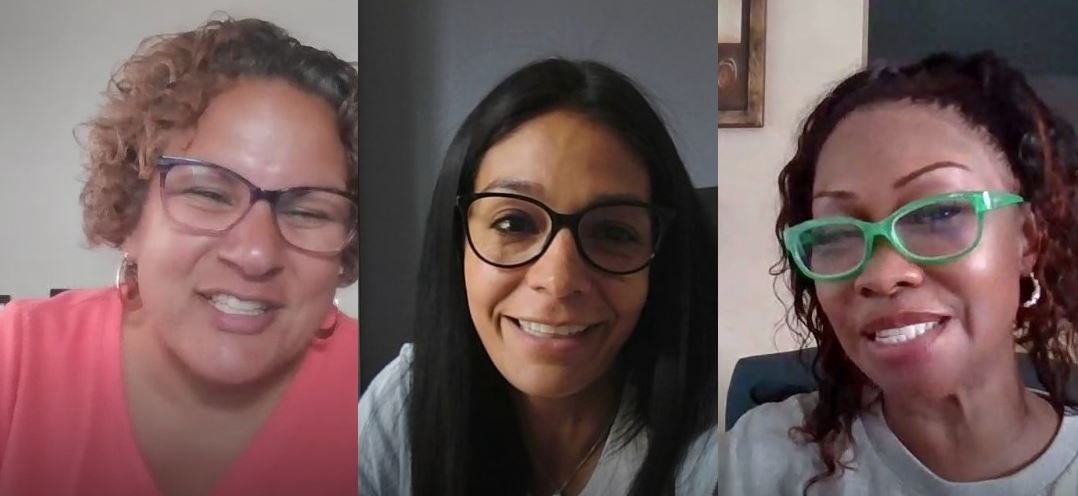
On a recent morning, Tahira Malik drove along Center Street in Milwaukee and noticed a woman staggering in the road. She did not hesitate. Malik stopped her van, stepped out into the street, and gently guided the woman to the sidewalk. Malik provided what may have been life-saving support, but she set no conditions and didn’t pass judgment.
"The first thing she said was, 'I'm not drunk, I'm not high,'" Malik recalled. "In the back of my mind, I think she may be high, and maybe she wants to continue to get high, but my response was, 'Hey, I didn't say you were. I don't think you are, but how can I help you?"
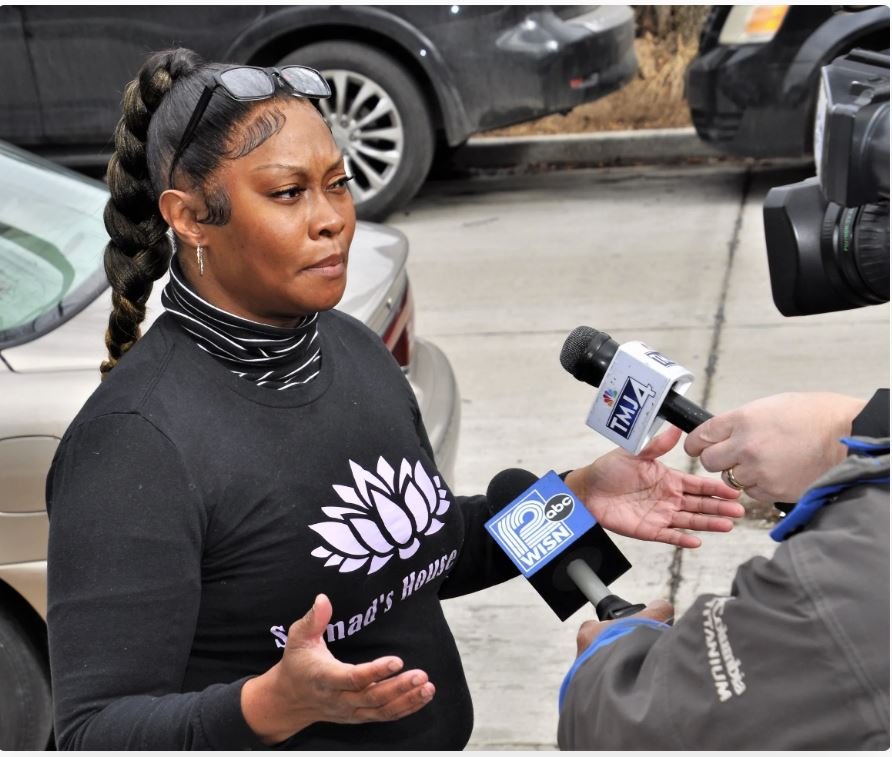
This simple act of compassion captures the very essence of harm reduction. It keeps people alive long enough to get the help they need. Malik, the founder of Samad’s House, understands that overcoming a substance disorder rarely happens overnight. For many, survival is a daily battle. Harm reduction initiatives meet people exactly where they are, offering a lifeline when formal treatment feels out of reach.
Yet, a sweeping federal policy shift now threatens to cut this lifeline. In April, the Substance Abuse and Mental Health Services Administration notified states that the federal government is terminating financial support for certain harm-reduction approaches. Driven by the Great American Recovery Initiative, the government is pivoting sharply away from preventative community resources to focus more strictly on abstinence and formal treatment. The latest notification didn’t specifically single out naloxone for cuts, but its funding may be included in grants being eliminated, and the administration has previously targeted naloxone in its proposed budget cuts. Harm reduction advocates are on edge.
Public health officials, community advocates, and social workers see this shift as a devastating blow. They warn that stripping funding from these proven measures will cost thousands of lives, unleashing immense pain and suffering in communities already fighting for survival.
A Historic Decline at Risk
To understand the magnitude of this threat, we must look at the recent, hard-won progress cities like Milwaukee have achieved. Harm reduction resources—such as fentanyl test strips and the overdose-reversing drug naloxone have saved countless lives.
In 2025, Milwaukee recorded 383 fatal drug overdoses. This represents a massive, historic decline from the peak of 674 deaths just three years earlier in 2022. That nearly 50% drop mirrors a positive, life-saving trend spreading across the United States. Health advocates and public officials directly attribute this success to expanded harm reduction efforts and strategic, boots-on-the-ground community interventions.
These tools work. They minimize the negative health, social, and economic damage caused by drug use. But the data also reveals a troubling disparity. While overall fatalities have dropped, overdose deaths are not declining at the same accelerated rate in communities of color.
Now, the federal government wants to remove the very safety net that saves these lives. Under the new restrictions, individuals who are not actively seeking treatment will lose access to resources funded by the federal government, which is moving to falsely label harm reduction supplies as tools that enable future drug use.
Critics argue this perspective entirely ignores the grim, sometimes fatal reality of modern addiction. The street drug supply grows more toxic by the day. Test strips do not encourage drug use; they check for lethal contaminants. They detect xylazine, a heavy animal sedative that causes severe, rotting skin wounds. They detect medetomidine, a synthetic drug that triggers prolonged sedation and severe cardiac damage.
"The federal government says they want to stop harm reduction resources, but yet, they are trying to ban countries like China and Mexico from shipping fentanyl here," Malik noted. "So they know these drugs are already here. Why stop helping people survive? These drugs are killing our people."
Defunding these programs means abandoning people to a sometimes toxic drug supply without their best shield. Organizations like Samad’s House, which provide sober living facilities, test strips, naloxone, and mental health support for women, will face crippling constraints. They will struggle to perform the vital community outreach that stops people from dying on the streets.
"Irreparable Harm": A View from the Frontlines
The anxiety radiating from Milwaukee echoes loudly in other cities across the country, including Louisville, Kentucky. Deacon Keith McKenzie serves as the Executive Director of a community-based behavioral health center providing harm-reduction services in Louisville. His work focuses specifically on communities that lag behind local, statewide, and national efforts to prevent the devastating impact of drug overdoses.
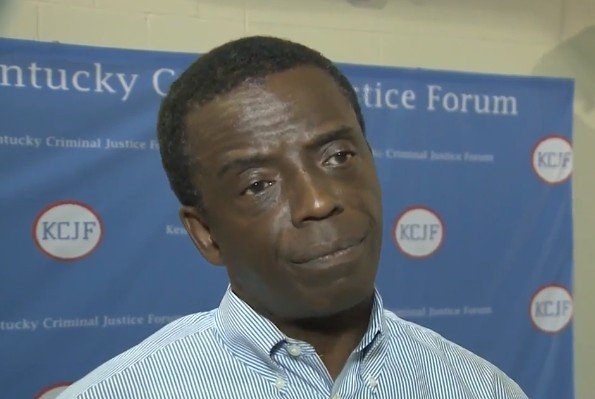
McKenzie understands the harsh realities of nonprofit work. As a trained social worker, he expects funding fluctuations.
"Funding cuts—from private entities, public foundations, nonprofits, and local, state, and federal governments—have always been a constant," McKenzie explained. "With every new administration, priorities shift."
However, this current wave of federal defunding carries a different weight. It brings a chilling new reality to the communities he serves.
"What feels different today is the sense that certain programs and funding streams are being targeted with impunity," McKenzie said. "The result is not just inconvenience; it is irreparable harm."
When life-saving programs are treated as expendable political targets, America risks unwinding decades of progress. McKenzie points out that this aggressive targeting threatens to undo hard-won gains in overdose reduction, and across a wide spectrum of public health battles, including child mortality, food security, and HIV/AIDS prevention. Harm reduction operates as a public health and social justice framework, responding dynamically to the needs of communities facing complex, evolving challenges. When the framework is attacked, the entire support structure weakens.
To illustrate the stark reality of budget shortfalls, McKenzie recalls a powerful memory from years ago. While on a pilgrimage in Jamaica, he volunteered to serve food in a soup line. As he scooped portions into bowls, someone gently corrected him: "Serve one cup of rice, not a cup and a half."
The message struck him deeply. If he gave more to one person, someone else would go without. Resources were finite. Every extra grain of rice given to one meant an empty bowl for another.
"I often think of that moment when I consider today’s budget landscape," McKenzie reflected. "When one priority consumes more than its share of the total budget, others will inevitably suffer."
For nonprofit organizations, he said, the fear of cuts lives constantly beneath the surface of every program administrator’s mind. They know how to stretch a dollar. They know how to pivot and make difficult sacrifices to keep pursuing their missions. But there is a breaking point.
In West Louisville, the impact of these specific cuts will be severe. The area includes the 40203 zip code, one of the lowest-income neighborhoods in Jefferson County, with a median income of just over $46,000. While overdose rates in West Louisville are declining, they fall at a painfully slower pace than in wealthier, whiter areas.
"Cuts to harm reduction programs will not simply slow progress; they will reverse it," McKenzie warned.
Reversing progress likely means more bodies in the morgue. It means more families burying their children, siblings, and parents. It means more people staggering into traffic on streets like Center Street in Milwaukee, but with no one equipped to pull them back to the sidewalk.
A Call for Responsible Policy
The shift toward prioritizing abstinence over harm reduction creates a dangerous gap. Abstinence and formal treatment are important goals, but they require a living patient who is ready to take that step and make that decision themselves. The reality is that someone can’t come to the decision to seek treatment if they have died from an overdose. Harm reduction provides the critical bridge between active addiction and perhaps future recovery.
When government-funded programs face severe reductions or total elimination, agencies desperately need adequate notice to plan responsibly. McKenzie offers a clear, actionable recommendation for future policy shifts. He urges the federal and state governments to provide 18 to 24 months' advance notice before implementing major funding changes.
It would give organizations the space to restructure their operations, allowing them to seek alternative funding through private grants or community donations. Most importantly, it gives them time to make the painful, difficult decisions required to continue serving their communities without leaving their most vulnerable clients without the support they need.
The Human Cost
We cannot look away from the pain harm reduction cuts will inflict. The burden will fall heavily on Black and Brown communities, where systemic inequities already make accessing traditional healthcare incredibly difficult.
When harm reduction is defunded, it sends a clear, devastating message to people struggling with substance use: your life only matters if you are ready to stop right now. It ignores the complex trauma, poverty, and mental health struggles that drive addiction. Further, it ignores the lethal toxicity in some of the current drug supplies.
Tahira Malik’s intervention on Center Street didn’t require a vow to seek treatment or a pledge of sobriety. It only required humanity.
"This is craziness. That’s how serious it is," Malik said regarding the federal cuts. "Harm reduction saves lives. Helping this woman reinforced the critical role harm reduction plays in saving lives and the devastating consequences of the federal government’s move against harm reduction initiatives."
Malik urges the policymakers to listen to the experts on the ground. “They must listen to the social workers, the community advocates, and the people who walk the streets every day pulling their neighbors back from the edge,” she said. “Harm reduction is not about enabling drug use. It is about enabling survival.”