Four years ago, Atau Malik lay unconscious on a Milwaukee sidewalk, his life slipping away. He had no idea how he got there, nor did he know that the next few minutes would dictate whether he lived to see his thirty-fifth birthday. Paramedics rushed to his side, administering a medication that reversed the fatal course of an opioid overdose. When he finally opened his eyes, surrounded by IV lines and the harsh reality of his situation, a paramedic delivered a blunt truth. If he had not woken up in five minutes, they would have pronounced him dead.
That day changed everything. The medication that pulled him back from the edge is naloxone. Now 38, Atau spends his days making sure others have access to that exact same lifeline. He works as an Ambassador for Samad’s House, taking to the streets of Milwaukee to distribute harm reduction tools and share a story he once tried to hide.
To understand how Atau ended up on that sidewalk, you have to look back to his childhood. Born and raised in Milwaukee, he suffered a hernia when he was just six or seven years old. The physical pain lingered for years, flaring up intermittently. In 2010, looking for relief from the nagging discomfort, he accepted a Percocet from a friend.
The pill worked. It took away the pain, but it also unlocked a door to a much darker path.
At the time, prescription opioids flowed relatively freely. Eventually, the medical community and law enforcement cracked down on the over-prescription of these drugs. Doctors faced severe penalties for writing opioid prescriptions, and the street supply dried up. The friend who usually supplied his pills could no longer get them.
Withdrawal set in. Anyone who has experienced a physical dependency on opioids knows the profound agony of withdrawal. It mimics a severe flu, complete with aching bones, cold sweats, and relentless nausea. Desperate for relief, Atau took another friend’s advice to try something new. He discovered it was heroin. It provided instant euphoria, it was cheaper, and it felt stronger than the pills. From that moment, his addiction escalated rapidly.
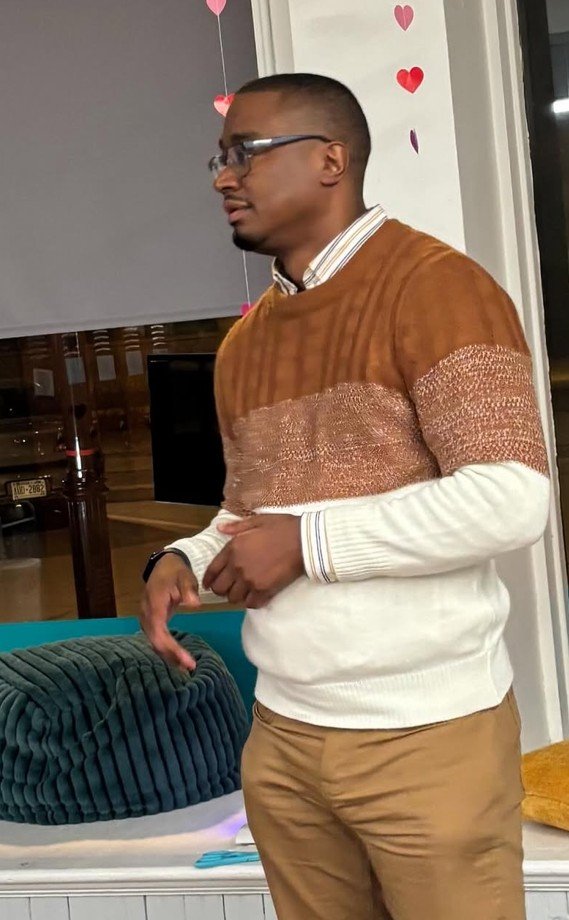
“It was like off to the races at a hundred miles an hour,” Atau says. “And I'm not glorifying this at all. This is a part of my life right now to talk about and accept, and you know, move forward.”
Fast forward to that fateful day four years ago. Atau was deep into his heroin addiction and suffering from severe withdrawal symptoms. He visited his usual neighborhood dealer to buy what he thought was heroin.
He did not know he had purchased pure fentanyl, a synthetic opioid that is up to 50 times stronger than heroin.
After using the drug, Atau immediately knew something was wrong. He did not feel like himself. He wandered through the neighborhood, spotting a friend and heading over to his house to talk. Mid-conversation, Atau collapsed.
His friend scrambled into action, dialing 911. Atau remembers none of this. His next memory is waking up on the concrete, IVs in his arms, staring up at the paramedics who had just pulled him back from the brink of death. Someone had administered naloxone. He still does not know exactly who gave him the lifesaving dose, but he knows he owes them his life.
The near-death experience served as a massive wake-up call. Right after the overdose, Atau checked himself into treatment. He committed to an intensive outpatient program and began the hard work of rebuilding his life.
“It was like off to the races at a hundred miles an hour,” Atau says. “And I'm not glorifying this at all. This is a part of my life right now to talk about and accept, and you know, move forward.”
Fast forward to that fateful day four years ago. Atau was deep into his heroin addiction and suffering from severe withdrawal symptoms. He visited his usual neighborhood dealer to buy what he thought was heroin.
He did not know he had purchased pure fentanyl, a synthetic opioid that is up to 50 times stronger than heroin.
After using the drug, Atau immediately knew something was wrong. He did not feel like himself. He wandered through the neighborhood, spotting a friend and heading over to his house to talk. Mid-conversation, Atau collapsed.
His friend scrambled into action, dialing 911. Atau remembers none of this. His next memory is waking up on the concrete, IVs in his arms, staring up at the paramedics who had just pulled him back from the brink of death. Someone had administered naloxone. He still does not know exactly who gave him the lifesaving dose, but he knows he owes them his life.
The near-death experience served as a massive wake-up call. Right after the overdose, Atau checked himself into treatment. He committed to an intensive outpatient program and began the hard work of rebuilding his life.
Today, he celebrates four years without using drugs. He maintains a strict regimen to protect his sobriety. He sees a therapist and a psychiatrist regularly, works the 12 steps, relies on a sponsor, and attends community meetings.
He also relies heavily on his sister, Tahira Malik. She understands the struggle deeply. “I love her to pieces,” he says. “She's always got my back. I know who to call if I'm feeling an urge. Now I'm at a point where I know how to reframe those thoughts and practice my own things. But if it gets too bad, I phone her and say, ‘Hey sis, I'm feeling some type of way.’”
Tahira Malik has formerly used drugs herself. Using her own journey through addiction and recovery, she founded Samad’s House and built its cornerstone Ambassador program five years ago.
The program takes a uniquely empathetic approach to the overdose crisis, which has heavily devastated Black families and communities across Milwaukee. The Ambassadors are all graduates of recovery programs. They receive extensive training to use naloxone, fentanyl test strips, and other vital harm reduction tools.
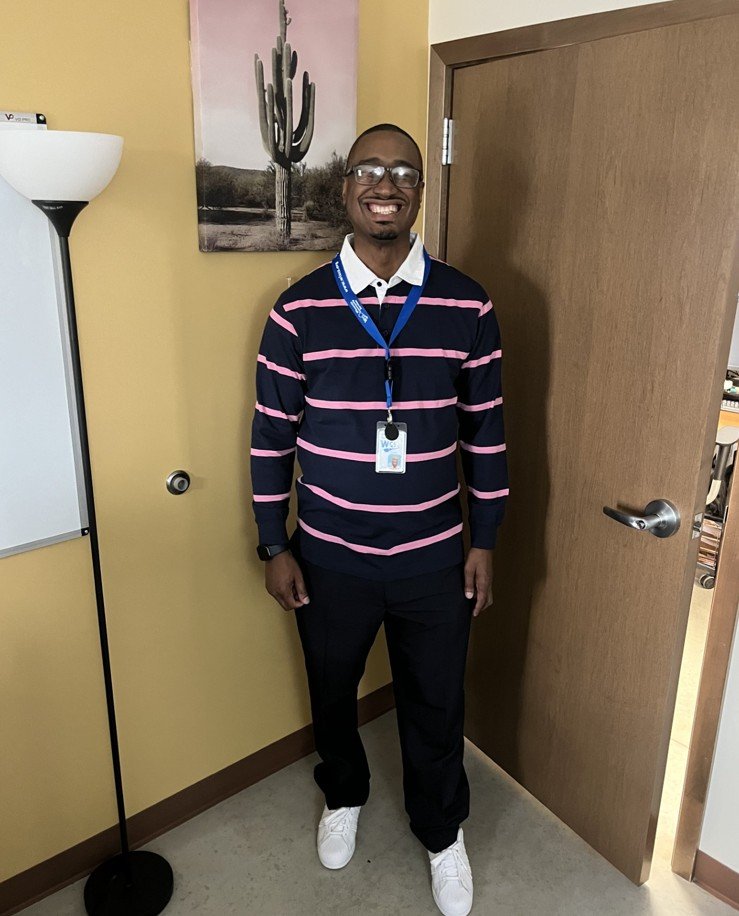
Instead of waiting for people to come to a clinic, the Ambassadors go directly into the neighborhoods. They meet people exactly where they are, handing out resources without a trace of judgment.
“Our ambassadors use their street smarts and lived experiences to teach others about harm reduction,” Tahira says. “They save lives. They address the overdose crisis that has devastated Black families and communities in Milwaukee.”
Because the Ambassadors have walked the same painful paths, they possess a distinct credibility. People struggling with substance disorders often face intense stigma. Society frequently writes them off.
“They’ve lived it,” Tahira explains. “They know what it’s like to be judged, stigmatized, and written off. That gives them a level of empathy and compassion that can’t be taught. Our ambassadors help people navigate what they are going through, maybe recovery, or maybe just into having and using harm reduction resources so they can live another day.”
She understands the grim stakes of the fentanyl epidemic better than most.
“Just because someone is still living in addiction doesn’t mean they have to die,” she says. “We’ve lost so many people because they didn’t know fentanyl was in their drug supply and didn't have the tools to reduce the harm.”
For two years, Atau has served as one of these crucial Ambassadors. He hits the pavement, doing street outreach and educating neighborhoods on how to use naloxone effectively. He hands out test strips so people can check their supply and use them safely.
He aims to empower the community with knowledge.
“That's what helps people to know, to be educated,” he explains. “You don't have to leave this person on the sidewalk, or if it's someone that you love in the home, you don't have to leave them and not worry. You can save their life. In the midst of waiting on 911 to come, you can administer naloxone yourself.”
This line of work feels intensely personal to him. Every time he places a box of naloxone in someone’s hands, he remembers the dose that saved him.
Despite the proven success of these interventions, the political landscape surrounding harm reduction remains fraught. Tahira expresses deep frustration that the Trump administration has moved to curtail federal funding for harm reduction approaches like test strips. To her, this funding is more than politics and policy; it is the reason her brother is still breathing.
“He would be gone without naloxone,” she says. “It doesn’t get more important than the ability to save a life. That’s what harm reduction does, and it must be able to continue.”
There was a time when Atau felt deeply embarrassed by his past. Society places heavy expectations on people, and the stigma of heroin addiction carries a massive weight. He wanted people to like him, and he feared they would look at him differently if they knew the truth.
Eventually, he realized the power his story held.
“After a while, you're like, no, my story can save lives and help others,” he says. “What am I sitting on it for?”
Now, he shares his experience openly. In addition to his street outreach, he works for a youth treatment center and regularly speaks at schools. Recently, he joined a men's panel at a Milwaukee Public School to talk directly to high schoolers, hoping his journey might keep them on the right track. Before this, he worked in classrooms alongside special needs students. Serving others remains his core passion.
He looks back at his overdose not just as a tragedy, but as the turning point that allowed him to become the man he is today.
“Had I expired right there on the ground that day, I wouldn't be where I'm at today,” he reflects. “I wouldn't have been able to get to see myself progressing to the man I am right now, and I want to see how much further I'm going to go.”