
Samad's House Frontline Voices
Spring Newsletter
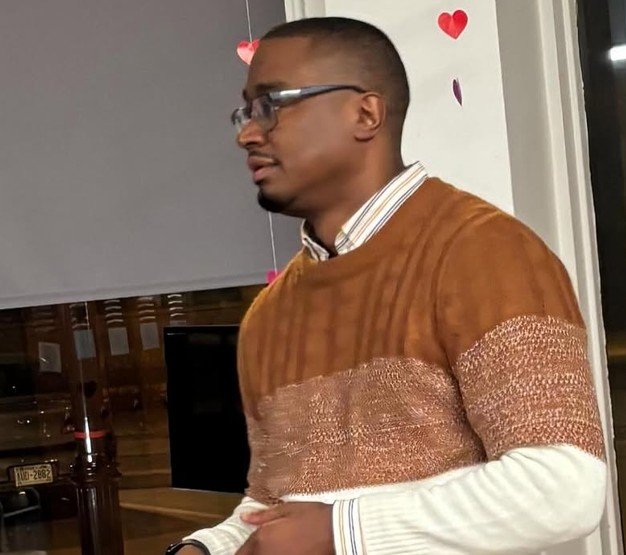
Four years ago, Atau Malik lay unconscious on a Milwaukee sidewalk, his life slipping away. He had no idea how he got there, nor did he know that the next few minutes would dictate whether he lived to see his thirty-fifth birthday. Paramedics rushed to his side, administering a medication that reversed the fatal course of an opioid overdose. When he finally opened his eyes, surrounded by IV lines and the harsh reality of his situation, a paramedic delivered a blunt truth. If he had not woken up in five minutes, they would have pronounced him dead.
That day changed everything. The medication that pulled him back from the edge is naloxone. Now 38, Atau spends his days making sure others have access to that exact same lifeline. He works as an Ambassador for Samad’s House, taking to the streets of Milwaukee to distribute harm reduction tools and share a story he once tried to hide.
To understand how Atau ended up on that sidewalk, you have to look back to his childhood. Born and raised in Milwaukee, he suffered a hernia when he was just six or seven years old. The physical pain lingered for years, flaring up intermittently. In 2010, looking for relief from the nagging discomfort, he accepted a Percocet from a friend.
The pill worked. It took away the pain, but it also unlocked a door to a much darker path.
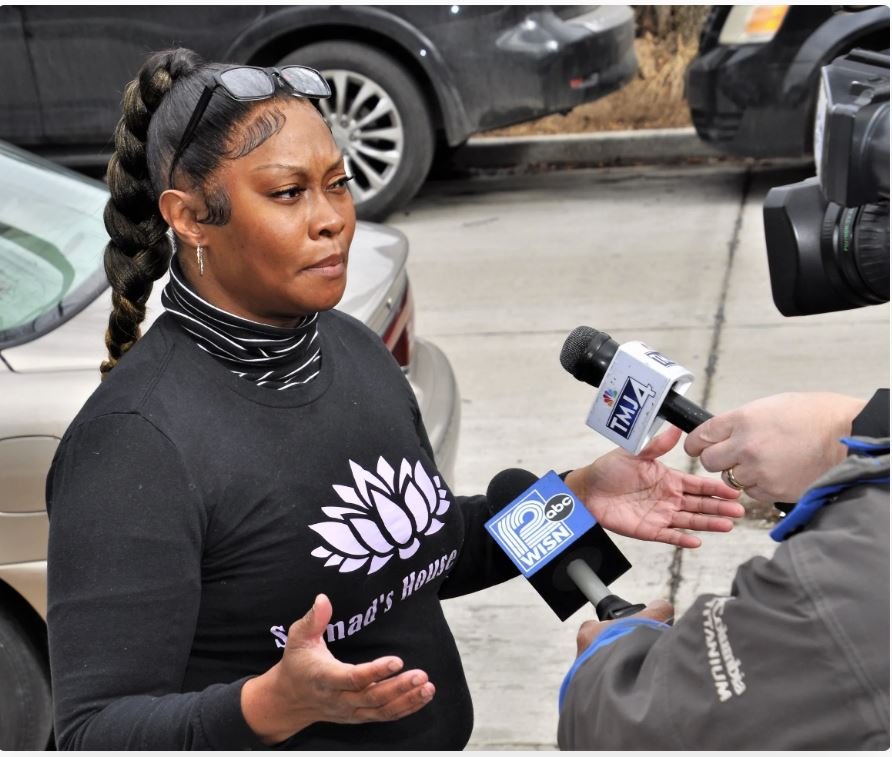
On a recent morning, Tahira Malik drove along Center Street in Milwaukee and noticed a woman staggering in the road. She did not hesitate. Malik stopped her van, stepped out into the street, and gently guided the woman to the sidewalk. Malik provided what may have been life-saving support, but she set no conditions and didn’t pass judgment.
“The first thing she said was, ‘I’m not drunk, I’m not high,'” Malik recalled. “In the back of my mind, I think she may be high, and maybe she wants to continue to get high, but my response was, ‘Hey, I didn’t say you were. I don’t think you are, but how can I help you?”
This simple act of compassion captures the very essence of harm reduction. It keeps people alive long enough to get the help they need. Malik, the founder of Samad’s House, understands that overcoming a substance disorder rarely happens overnight. For many, survival is a daily battle. Harm reduction initiatives meet people exactly where they are, offering a lifeline when formal treatment feels out of reach.
Yet, a sweeping federal policy shift now threatens to cut this lifeline. In April, the Substance Abuse and Mental Health Services Administration notified states that the federal government is terminating financial support for certain harm-reduction approaches. Driven by the Great American Recovery Initiative, the government is pivoting sharply away from preventative community resources to focus more strictly on abstinence and formal treatment. The latest notification didn’t specifically single out naloxone for cuts, but its funding may be included in grants being eliminated, and the administration has previously targeted naloxone in its proposed budget cuts. Harm reduction advocates are on edge.