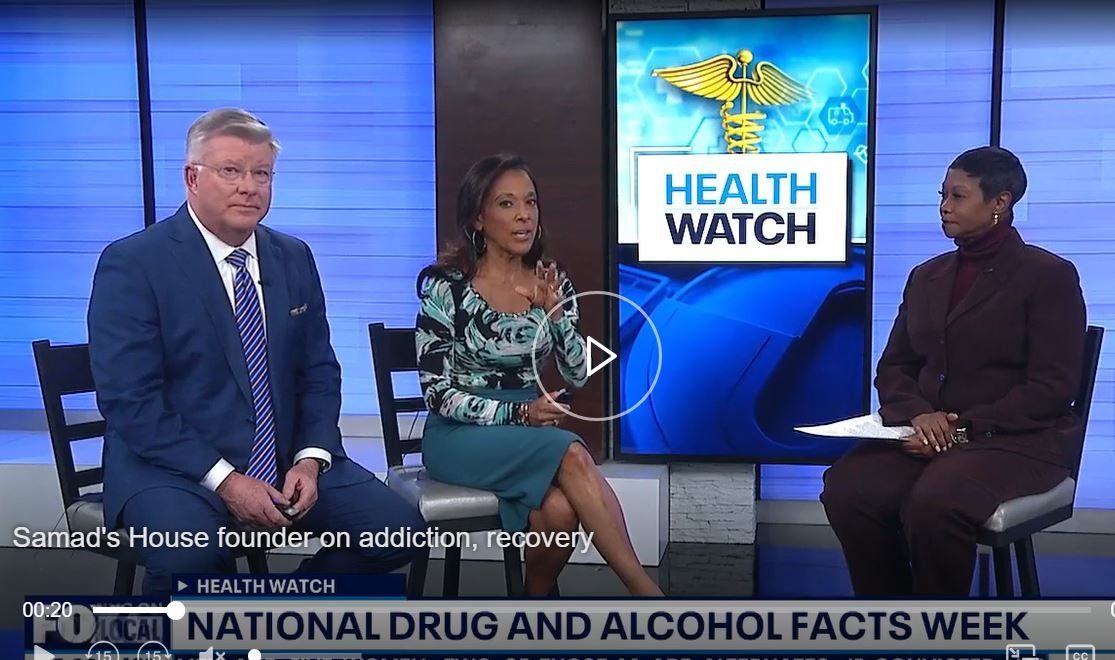
MILWAUKEE - In Milwaukee’s Black communities, a quiet revolution is taking place. At the forefront is Tahira Malik, founder of Samad’s House, a treatment and recovery organization that offers hope for women and families battling substance use disorders. In a recent interview with Fox6 News, Malik delivered a powerful message: the drug overdose crisis is a public health emergency, and a symptom of deep-rooted systemic issues that demand urgent attention and compassionate action.
One of the most pervasive misconceptions about substance use disorders is that they stem from moral failings or a lack of willpower. Malik, who is herself in recovery, passionately debunked these myths during her interview. “It’s neither one of those,” she explained. “It’s a complex health issue, and many believe that certain types of people are the only ones who fall into addiction. And again, that’s a myth in itself.”
Malik’s words resonate deeply in a society where stigma often prevents individuals from seeking help. She emphasized that recovery is possible and achievable for people when they are ready to make a change. This belief forms the foundation of Samad’s House, which has spent the past five years helping women and families reclaim their lives.
Since its inception in 2020 as a sober living facility for women, Samad’s House has expanded significantly to meet the growing needs of the Milwaukee community. Today, the organization operates three residential homes and a dedicated behavioral health clinic. These resources have enabled Samad’s House to assist over 75 women and nearly a dozen families in their recovery journeys.
The organization’s holistic approach addresses the symptoms of addiction and the underlying factors that contribute to substance use. Malik and her team provide a safe, supportive environment where individuals can heal physically, mentally, and emotionally.
Central to Samad’s House’s mission is the use of harm reduction tools, particularly naloxone, a medication that can reverse opioid overdoses. Malik highlighted the critical role naloxone plays in saving lives. “When an individual suffers an overdose, their respiratory system slows down drastically. Without immediate intervention, they will stop breathing,” she explained. Administering naloxone can pull individuals back from the brink of death, often serving as a wake-up call that motivates them to seek help.
However, Malik stressed that addressing overdoses is only the first step. The real challenge lies in tackling the systemic issues that fuel addiction in the first place.
During her interview, Malik pointed to a web of cultural and structural factors that create fertile ground for substance use disorders. Poverty, job insecurity, a lack of affordable housing, and limited access to basic resources all contribute to the overdose crisis. These pressures are compounded by systemic racism, which has disproportionately impacted Black and Brown communities through decades of over-policing and discriminatory incarceration policies.
“The historical War on Drugs has devastated communities of color,” Malik noted. “Recovery from these historic systemic barriers requires tangible resources, community investment, and policies designed to uplift rather than penalize marginalized populations.”
Malik also provided practical advice for community members who may have loved ones struggling with substance use. Isolation, sudden changes in behavior, and unexplained financial difficulties are common red flags. However, she cautioned against confrontational approaches, which can drive individuals further into hiding.
“Sometimes that assertive approach may make someone shy away and say, ‘Oh, no, no, no, no, I’m not on drugs,’” Malik explained. Instead, she advocates for creating a supportive, non-judgmental environment where individuals feel safe to open up about their struggles.
Milwaukee has made significant strides in addressing the overdose crisis. In 2024, the county saw a 30% drop in overall overdose deaths, thanks in part to innovative community efforts and a $34 million investment from opioid settlement funds. Yet, this progress is uneven, and racial disparities remain alarmingly high.
Black residents in Milwaukee County experienced a fatal overdose rate of 76 per 100,000 people in 2024—nearly double the rate for White residents. Despite comprising only 27% of the county’s population, Black residents accounted for 42% of all overdose deaths. These statistics underscore the urgent need for equitable funding and targeted interventions.
Samad’s House is committed to bridging these gaps, providing culturally competent care, and advocating for systemic change. But Malik is clear: organizations like hers cannot do this work alone. Sustained financial resources, support for harm reduction approaches, and a community-wide commitment to dismantling systemic racism are essential to turning the tide of this epidemic.
As Malik’s interview makes clear, the fight against substance use disorders is about saving lives and restoring dignity, equity, and hope to communities that have long been marginalized. Through her leadership at Samad’s House, Malik is proving that compassion and systemic change can go hand in hand, offering a blueprint for a more just and supportive approach to recovery.
For those inspired to join the cause, Samad’s House offers multiple ways to get involved, from donating to volunteering. Samad’s House is building a future where recovery is accessible to all.