Showings of Coming Home are between April 16 and April 30 at the historic Downer and Oriental theatres.
MILWAUKEE, WI - The lights dim at the historic Oriental Theatre, and the screen flickers to life. The audience at the 18th annual Milwaukee Film Festival is about to witness an intimate story of pain, redemption, and relentless hope. The critically acclaimed documentary "Coming Home" chronicles the life of Tahira Malik. She lived through the heavy grip of addiction and the cold reality of incarceration. Now, she stands as a community and civic leader, the founder of Samad’s House, a leading sober living facility for women in the Midwest, and a community outlet for harm reduction tools.
Malik's story is one of fierce determination. Following an auto accident, a reliance on pain pills spiraled into a substance disorder. This path eventually led her to prison to support her habit. But behind bars, forced into sobriety, she found her calling. Watching her fellow inmates cycle in and out of the system, she realized a fundamental problem. They had nowhere safe to go after prison.
"I didn't think it was fair that we didn't have anywhere to go, anywhere safe to be," Malik shares in the film. Armed with nothing but jailhouse paper and a vision, she drafted a business plan for a transitional home for women facing substance abuse.
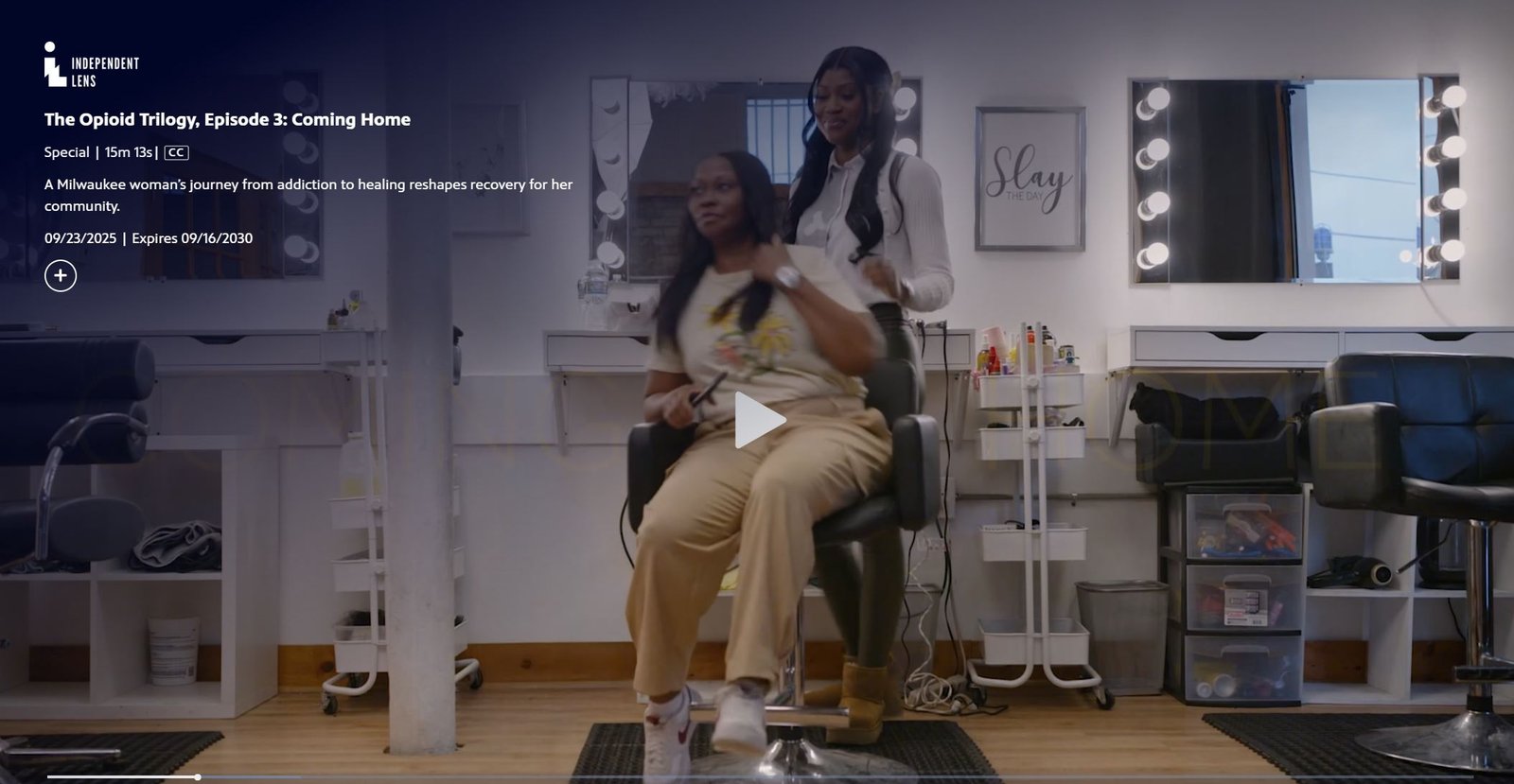
That plan became Samad’s House. Since opening its doors in 2020 on Milwaukee’s North Side, the organization has grown from a single home into a network of three residences and a behavioral health clinic. The impact is demonstrated in the outcomes: over 75 women and their families have reclaimed their lives. The facility also champions harm reduction, distributing over 2,300 naloxone kits and fentanyl test strips since 2024 to help prevent fatal overdoses.
This work happens against an urgent backdrop. Milwaukee County faces a severe overdose crisis, ranking eighth nationwide in overdose deaths in 2023. The impact falls disproportionately on Black communities. By offering vital resources like naloxone alongside mental health support, Samad’s House empowers people to make safer choices while respecting their dignity.
Adrienne Hurst, Senior Technical Advisor for the Vital Strategies Overdose Prevention Program, praises Malik's vision. She notes that Malik dared to build spaces where vulnerable women could secure their futures. Organizations like Samad’s House prove that compassionate, community-driven harm reduction saves lives.
"Samad’s House shows that people who use drugs and people in abstinence-based recovery need to advocate together to ensure policies allow everyone to define and achieve their own wellness goals," Hurst said. "We are proud to have supported the wonderful work that Samad’s House is doing for women and the community through our overdose prevention investments in Wisconsin, and encourage funders in the public, private, and philanthropic sectors to join these efforts. We recognize the urgent need for equitable funding decisions for organizations such as Samad's House, for work in historically under-resourced communities and those where drug overdose rates are disproportionately high, even though the level of drug use is similar to other communities."
But the work is never easy. "Coming Home" doesn’t shy away from the raw truths of recovery. Through quiet moments between Malik and her daughter, viewers witness the ripple effect that substance abuse can have on families, relationships, and communities. The film reminds us that the consequences of substance use extend beyond the person struggling—they touch loved ones, children, and entire neighborhoods. Yet, Malik’s resilience is unwavering. She doesn’t view each setback as a defeat, but as an opportunity to learn and adapt. Her journey is about overcoming a substance disorder and transforming pain into purpose and thriving.
Samad’s House stands as the physical embodiment of that purpose. The homes themselves are warm and welcoming—a stark contrast to the harsh realities many women face outside their doors. Residents receive far more than a roof over their heads; they find sisterhood, structure, and support. The program integrates counseling and life-skills training, giving women the tools they need to build stable, fulfilling lives. The holistic approach recognizes that true recovery goes beyond sobriety; it encompasses physical health, mental wellness, dignity, and self-worth.
The impact extends into the community. For families torn apart by addiction, Samad’s House offers a rare but crucial resource: hope. When mothers are supported in their recovery, children benefit. Families are reunited. Cycles of trauma and incarceration begin to break. These stories, too, are woven throughout "Coming Home." Scenes of reunion, forgiveness, and rebuilding remind us that recovery is both deeply personal and profoundly communal.

At the Milwaukee Film Festival, "Coming Home" finds its perfect audience—one that values diverse voices, social impact, and powerful storytelling. Moviegoers leave the theater with new perspectives on substance abuse and redemption. They see that advocacy starts at the grassroots, born out of lived experience and compassion for others. Malik’s commitment to harm reduction is a call to action, urging policymakers, community members, and funders alike to invest in people.
Documentaries like "Coming Home" also play a vital role in changing minds and hearts. For Malik, sharing her story is an act of courage and service. She hopes that by shining a light on her lowest moments and greatest triumphs, she’ll inspire others to speak out, seek help, or offer support. As the film makes clear, healing can be contagious; when one person finds the courage to come home, others often follow.
If you attend a screening at the Downer or Oriental theatres between April 16 and 30, you’ll sense the undercurrent of gratitude and respect in the room. Community leaders, healthcare advocates, and families gather to honor Malik’s journey—and to bear witness to the transformative power of hope. As Malik herself says, “We are empowering people with substance disorders to thrive.” In a city still reeling from the overdose crisis, Samad’s House and "Coming Home" stand as testaments to what one person, and one community, can accomplish when they dare to envision something better.