Milwaukee's Progress Showcases the Impact of Community-Driven Initiatives Like Samad’s House and Vital Strategies’ Support and Innovative Programs that Inspire Individuals, Families & Communities
MILWAUKEE, WI - Milwaukee is experiencing a remarkable shift in its battle against drug overdose deaths. After years of devastating losses, the city has achieved a significant decline in overdose deaths, with 2025 marking the lowest annual total in a decade. This progress is a testament to the success of harm reduction strategies, community-driven initiatives like Samad’s House, and the unwavering support of organizations such as Vital Strategies. However, while the numbers are encouraging, new challenges loom on the horizon, threatening to undermine these hard-won gains.
In 2025, Milwaukee recorded 383 fatal overdoses, a sharp decline from the peak of 674 deaths in 2022. This represents a nearly 50% reduction in just three years, a trend mirrored across the United States. Nationwide, opioid overdose deaths have dropped by half since their peak in June 2023, thanks to a combination of factors, including a shrinking fentanyl supply and expanded harm reduction efforts.
“The evidence clearly shows that harm reduction approaches have a tremendous impact,” said Adrienne Hurst, a Senior Technical Advisor for the Vital Strategies Overdose Prevention Program, a top priority at the global health organization. “Our challenge now is to ensure that places like Samad’s House can secure the resources to continue as a community hub for harm reduction tools.”
Milwaukee’s progress is particularly noteworthy given the city’s struggles during the height of the crisis. Between 2017 and 2025, over 4,500 people lost their lives to overdoses in Milwaukee County. The unregulated drug supply fueled the epidemic. Yet, through targeted interventions and community mobilization, the city has begun to turn the tide.
Milwaukee’s success in reducing overdose deaths can be attributed to a comprehensive and multifaceted approach that places harm reduction at its core. A key element of this strategy is expanding the availability of naloxone, a life-saving medication that reverses opioid overdoses. By making naloxone accessible through community organizations, fire departments, and even vending machines, the city has ensured that this critical resource reaches those who need it most.
Additionally, Milwaukee is strategically utilizing $111 million in opioid settlement funds over 18 years to bolster treatment and prevention initiatives. By directing these funds toward evidence-based strategies, the city is ensuring a sustainable and lasting impact in its fight against the opioid crisis.
At the heart of Milwaukee’s harm reduction efforts is Samad’s House, an organization that has transformed the lives of women recovering from substance use or transitioning from incarceration. Since its inception in 2020, Samad’s House has grown into a network of three homes and a behavioral health clinic, offering a comprehensive 120-day intensive program. This holistic approach addresses the mind, body, and spirit, providing a safe and supportive environment for recovery.
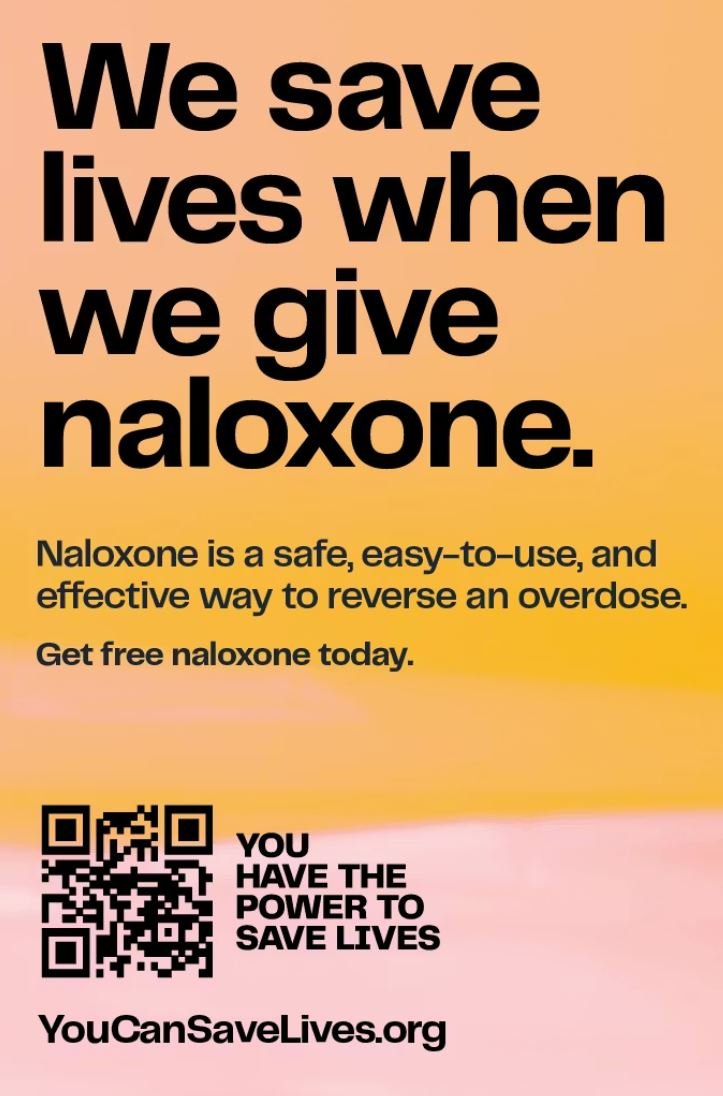
To date, Samad’s House has empowered over 75 women and nearly a dozen families to reclaim their lives. Its impact extends beyond its residents, as the organization has distributed over 2,300 naloxone kits and fentanyl test strips to the community since 2024. These life-saving tools have played a crucial role in preventing fatal overdoses.
Drawing on her personal journey, Tahira Malik, the founder of Samad’s House, launched an Ambassador Program that has since emerged as an effective strategy. This initiative empowers women with lived experience to serve as trusted messengers, fostering community awareness and support for harm reduction. By sharing their stories and distributing resources, these ambassadors are breaking down stigma and building bridges to wellness.
Samad’s House’s success would not have been possible without the support of Vital Strategies, a global health organization dedicated to reducing drug use and overdose deaths. Since 2021, Vital Strategies has partnered with over 200 stakeholders in Wisconsin to bolster harm reduction services through its Overdose Prevention Program. Through a series of initiatives, Vital Strategies is collaborating with WI partners to save lives and address the systemic inequities that fuel the overdose crisis. Key initiatives supported include:
Optimizing Funding and Programming: Vital Strategies is supporting community-based organizations to build capacity to bill for substance use and support services. This helps ensure sustainable funding for harm reduction efforts.
Addressing Vulnerable Populations: Collaborating with the Wisconsin Policy Forum, Vital Strategies has highlighted gaps in access to life-saving medications for opioid use disorder (MOUD) in jails and correctional facilities. The organization is also conducting a needs assessment for unhoused individuals in Milwaukee, a demographic at high risk of overdose.
Community mobilization: Vital Strategies has supported groups like PULSE, a collective of people who use drugs, to advocate for effective overdose prevention strategies and address policy barriers.
Harm Reduction in Black Communities: Recognizing the disproportionate impact of overdoses on Black Milwaukee residents, Vital Strategies has launched campaigns to increase naloxone access and harm reduction awareness in Black neighborhoods. These efforts have reached over 80% of Black residents in Milwaukee, driving a surge in naloxone requests.
Expanding Rural Access: In rural areas and sovereign nations, Vital Strategies has provided matching grants for harm reduction projects and supported the mail-based delivery of supplies such as naloxone and fentanyl test strips.
Despite progress, new challenges are emerging, such as the increasing presence of synthetic substances like xylazine and medetomidine, which pose severe health risks like flesh lesions and heart damage, threatening to reverse gains.
Additionally, while fentanyl-only deaths are declining, fatalities involving a combination of substances—such as fentanyl with cocaine, xylazine, or alcohol—are on the rise. This trend underscores the need for continued vigilance and adaptation in harm reduction strategies.
Nonfatal overdoses also remain a significant concern, with Milwaukee County reporting over 500 incidents per 100,000 residents annually. These events highlight the ongoing risks faced by drug users and the importance of expanding access to treatment and support services.
Milwaukee’s overdose reduction mirrors a broader national trend. Between 2023 and 2026, opioid overdose deaths fell for all racial groups, reversing a previous pattern where rates declined only among white Americans. States like Ohio, West Virginia, and Florida have seen the largest decreases, while Alaska, Arizona, and Nevada have seen increases.
Milwaukee’s progress in reducing overdose deaths is a testament to the power of community-driven solutions and harm reduction. Organizations like Samad’s House have demonstrated that with the right resources and support, lives can be saved, and communities can heal.
However, the fight is far from over. As new challenges emerge, Milwaukee must remain committed to adapting its strategies and addressing the root causes of substance use. By continuing to invest in harm reduction, treatment, and overdose prevention, the city can build on its success and serve as a model for others facing similar crises.
In the words of Malik, the founder of Samad’s House, “Recovery is possible, and every life is worth saving.” Milwaukee’s journey proves that with compassion, determination, and collaboration, even the most daunting challenges can be overcome.