The drug overdose epidemic continues to devastate Milwaukee and communities across the Midwest, leaving a trail of grief and loss that is heavily concentrated in neighborhoods of color. While harm reduction approaches and public health initiatives have made strides in reducing overall fatal overdoses, this success often fails to reach everyone equally. Recognizing that a collaborative effort is needed to confront a regional crisis, local leaders have united to launch the Midwest Regional Black and Brown Harm Reduction Network.
The groundbreaking network aims to expand to 12 or more states and unite organizations serving Black and Brown communities. The Network will strengthen collective power, share resources, advance racial equity, and drastically reduce drug overdose deaths.
New network will expand services to those who want it
To understand the urgent need for this Network, we must look at the stark realities on the ground. Black and Brown communities in the Midwest experience disproportionately high overdose morbidity and mortality. This crisis is compounded by structural racism, criminalization, limited access to culturally responsive services, and underinvestment in infrastructure, public resources, essential services, business development, capital funding, and other conditions that diminish the quality of life in Black communities.
In 2024 alone, Milwaukee County lost 450 lives to overdoses. Black residents accounted for 42% of these deaths, despite making up only 27% of the population. The fatal overdose rate for Black residents was nearly double that of White residents, even though drug use rates remain remarkably similar across both demographics.
Tahira Malik, CEO and Founder of Samad’s House, has been on the front lines of this fight. Since its founding in 2020, her organization has grown into a network of sober living homes and a behavioral health clinic, distributing thousands of naloxone kits and fentanyl test strips. She points out that while overall numbers might show slight improvements, the disparity remains vast.
“Our goals are to actually be able to do resource sharing on a regional level to be able to combat the overdose crisis in Black and Brown communities,” Malik explained. “Yes, there’s a 16% decrease in drug overdose deaths, but there is still an acute disparity in Black and Brown communities. And so there’s still a lot of work to be done. We must continue increasing awareness, education, and resources.”
A major driver of these tragic outcomes is street drugs, which are increasingly being tainted without the knowledge of the users and even dealers, who are unaware of the dangerous contaminants. People who historically use stimulants may unknowingly be consuming an opioid or animal tranquilizer.
“A lot of people, including African Americans, use stimulants,” Malik noted. “What is happening is that the drug supply is sometimes tainted with fentanyl and with substances like xylazine. And our communities aren’t aware. They’re just consuming these products, not even knowing what may be inside. But what we are learning is that our communities want to know this information. There’s a desire for greater awareness. Because organizations like Samad’s House have established themselves as credible messengers who do not judge, people feel safe asking questions about why their friends and family members are still passing away.
Adrienne Hurst, Senior Technical Advisor for the Overdose Prevention Program at Vital Strategies, summarized the foundational drive behind supporting this regional effort. “The reason why we’re doing it is to maintain momentum, to build community and to build demand for harm reduction and resources to enable harm reduction,” Hurst said, noting the huge role that Samad’s house has played in helping prevent deaths and saving lives.
A key purpose of the Network is to unite grassroots groups to strengthen their collective power, share vital resources, and advance racial equity. The vision is of a Midwest where Black and Brown communities are adequately resourced, respected, and self-determining in their harm-reduction strategies. The Network operates on the belief that compassionate care must replace punishment so that people who use drugs can survive and thrive.
To achieve this, the Network is built upon strict, non-negotiable core values. First is Racial Justice and Liberation; harm reduction without racial justice simply reproduces harm. Second is the Leadership of People Who Use Drugs (PWUD), ensuring that those most impacted by the crisis guide the solutions. Third is Mutual Aid Over Competition, prioritizing shared community survival over organizational silos. The Network also values Cultural Humility, recognizing that local communities know their needs best. Furthermore, it demands Non-Carceral Care, which means no collaboration with punitive or surveillance-based law enforcement systems. Finally, the Network operates with Radical Transparency to ensure honest decision-making and shared power.
To structure its massive undertaking across twelve states, the Network relies on several foundational pillars:
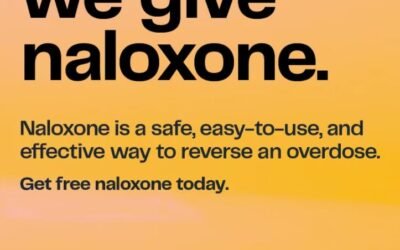
- Resource Sharing and Capacity Building: The Network focuses on the bulk purchasing and redistribution of life-saving supplies like naloxone and test strips. It also facilitates shared training, operational tools, and peer mentorship for emerging Black- and Brown-led organizations.
- Narrative Change and Storytelling: A major goal is to shift media narratives away from criminalization. The Network will center lived experiences and community wisdom, running shared communication campaigns across multiple states.
- Data Sovereignty and Evaluation: The Network insists on community-owned data. Members will ethically track overdoses and report their impact while firmly rejecting extractive research practices that use community pain for academic gain without providing tangible help.
- Care for the Caregivers: Frontline harm reduction work is exhausting and traumatizing. The Network provides healing spaces for workers, trauma-informed leadership support, and conflict mediation rooted in community accountability.
The Network is a shared leadership network designed to respect local autonomy while offering regional coordination.
Working committees manage the day-to-day focus areas, including policy advocacy, funding sustainability, and data storytelling. Decision-making is based on a consensus-first model. If consensus fails, a 75% supermajority is required to move forward, and all documentation is transparently shared with all members.
To turn these ambitious goals into reality, the Network has established a clear roadmap for its first year. During the first three months, the focus is on convening the founding members to ratify the network’s values, governance model, and membership criteria. Months four through six will see the launch of the working committees. During this phase, the Alliance will develop a shared resource inventory to understand what tools are available and where they are most needed. The network will also begin drafting its collective policy agenda.
In the final half of the first year, months seven through twelve, the Network will host a regional training convening. Members will collaborate on joint funding proposals to secure the pooled resources necessary for sustainability. The long-term objectives of the Midwest Regional Black and Brown Harm Reduction Network are heavily focused on sustainability and advocacy for policies that promote wellness.
Organizationally, the Network seeks to boost the capacity of 75% of its member organizations within 18 months, helping them secure grants and improve fiscal systems. Within 36 months, the network will engage in at least three multi-state policy initiatives to promote funding for overdose prevention and decriminalize life-saving tools.
Ultimately, the goal is to see a documented reduction in overdose-related harms and substance-related health disparities among Black and Brown communities. This goes hand in hand with increasing trust in community-based behavioral health systems.
“The launch of the Midwest Regional Black and Brown Harm Reduction Network represents a transformative step in addressing the overdose crisis through a culturally responsive, community-driven approach,” Malik explained. “Our vision is a Midwest where Black and Brown communities are resourced, respected, and self-determining, and where harm reduction is practiced. This network is about replacing punishment with care and ensuring people who use drugs can survive and thrive.”
Malik declared that the region cannot outpace the overdose crisis with isolated, underfunded programs. “Harm reduction without racial justice only reproduces the very harms it seeks to eliminate,” she said. “By building shared power across state lines, sharing resources instead of hoarding them, and practicing accountability without punishment, the Network ensures that community-led harm reduction is visible, well-resourced, and driven by those who understand the stakes best. Together, they are proving that no one has to do this critical, life-saving work alone.”