In May 2025, a glimmer of hope emerged from the Centers for Disease Control and Prevention: drug overdose deaths had plummeted by 27%, dropping from a staggering 110,000 in 2023 to 80,000 in 2024. Provisional data for late 2025 suggests an even further decline to 72,000. Yet, behind these promising numbers lie sobering truths. In 2024, Milwaukee County mourned the loss of 450 lives to overdoses. While the county mirrors the national trend of declining deaths, a devastating racial disparity persists: Black Milwaukee residents continue to die at nearly twice the rate of their White counterparts, despite similar rates of drug use. Amid this crisis, lives are being saved—thanks to the relentless efforts of leaders like Tahira Malik and community resources such as her Samad’s House, one of the Midwest’s leading sober living homes for women. Nonprofits, along with city and county governments, are stepping up with compassionate harm reduction initiatives, from naloxone distribution to fentanyl test strips, offering tools that save lives. At the heart of this fight is Malik, a woman in recovery herself, who has become a tireless advocate for the resources, practices, and policies needed to prevent overdoses and protect her community.
Here, Malik answers 10 critical questions that could mean the difference between life and death—and offers a roadmap to saving lives.
- What are the biggest myths about addiction that prevent people from seeking help?
Substance disorders or addiction are often misunderstood as a moral failing or a lack of willpower, rather than a complex health issue. Many believe that only certain “types” of people have substance disorders, which creates stigma and can prevent individuals from seeking help. Not everyone who uses drugs is addicted; people use substances for various reasons, including celebration, coping with pain, or building community. A common myth is that people with addiction are beyond help or unwilling to recover, which discourages outreach and support. Stigma within society and even among healthcare providers can make individuals feel judged, reducing their willingness to seek treatment.
- What actually happens during an overdose—and why survival often becomes a turning point?
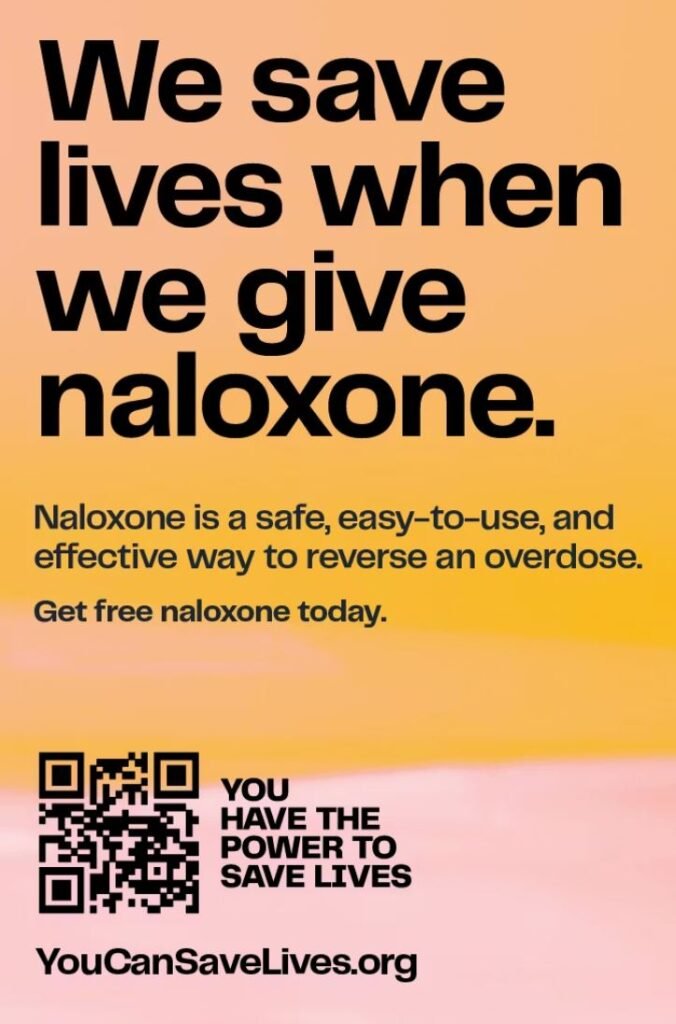
During an overdose, respiratory function slows down and can stop entirely, leading to death if intervention doesn’t occur. Survivors often realize how close they came to death, which can serve as a wake-up call and a turning point for seeking help. Many overdoses occur because users trust their drug supply or dealer, not realizing the risks of contamination with fentanyl and other contaminants. This is why harm reduction tools such as naloxone are effective; this nasal spray can reverse the effects of an overdose and save lives if administered shortly after the overdose.
- Why do traditional approaches to recovery fail many people?
Traditional recovery models often assume abstinence as the only goal, which doesn’t work for everyone. Recovery should be personalized and flexible, meeting individuals where they are in their journey. Many programs reject people who aren’t ready for full abstinence or who use medication-assisted treatment (MAT), despite MAT being the medical gold standard for opioid use disorder. Stigma against MAT, often seen as “trading one drug for another,” prevents people from accessing life-saving treatments. Recovery is not one-size-fits-all; rigid systems fail to accommodate diverse needs and pathways. Returning to use is a typical occurrence for people in treatment. It shouldn’t be seen as a failure or a reason to kick people out of treatment when they need support the most, but as an opportunity to reassess and move forward.
- What are the hidden social and cultural pressures that fuel substance abuse?
Systemic issues like poverty, lack of affordable housing, and job insecurity create environments where substance use becomes a coping mechanism. Structural racism and the war on drugs have disproportionately impacted Black and Brown communities, criminalizing substance disorders rather than addressing their root causes. Social determinants of health, such as housing, access to healthcare, employment status, and financial well-being, exacerbate substance use, as do medical conditions, isolation, trauma, and cultural stigmas around mental health. Over-policing and underinvestment in many Black and Brown communities perpetuate cycles of addiction and prevent access to services and resources. For instance, an example of the disparities is that MAT has been much more accessible in White communities than in Black and Brown communities.
- 5. How can families recognize early warning signs before it’s too late?
Look for changes in behavior, such as irritability, fatigue, or loss of interest in activities they once enjoyed. Monitor financial issues, such as frequent requests for money without explanation. That can be a red flag. Isolation or secrecy, such as spending excessive time alone or avoiding family interactions, can also indicate a problem. Encourage open communication and create a judgment-free environment where loved ones feel safe seeking help. Get harm reduction tools like naloxone and know how to use them.
- What impact can the stigma of drugs have on people seeking recovery?
Stigma creates shame, making individuals less likely to seek help or disclose their struggles to friends, loved ones, or healthcare professionals. Often, instead of people continuing in treatment, they disappear due to shame and stigma, putting them at exceptionally high risk for overdose. It also perpetuates the idea that addiction is a personal failure, rather than a treatable health condition. People fear judgment from those close to them. Stigma within treatment systems, such as rejecting MAT, further alienates those seeking help.
- How do harm reduction approaches save lives?
Harm reduction tools like naloxone reverse overdoses and prevent deaths. Fentanyl and xylazine testing strips empower users to make informed decisions about their drug use. Harm reduction focuses on education, awareness, and meeting people where they are, rather than demanding immediate abstinence or criminalization. Policies that decriminalize drug use and provide safe spaces for consumption reduce overdose risks and connect people to resources. Harm reduction counters harmful practices and policies and helps promote community wellness.
- What role does unstable housing have in increasing overdose risk?
People experiencing homelessness are at significantly higher risk of overdose due to unsafe environments and a lack of resources. Housing instability exacerbates stress, trauma, and isolation, all of which contribute to substance use. Unstable housing makes it difficult to access harm reduction supplies, treatment, or a safe place to use drugs. When individuals use drugs in unsafe or unsupervised settings, often no one is available to intervene.
- What can friends and relatives do to help those with substance disorders?
Avoid judgment and create a supportive, open environment where loved ones feel safe seeking help. Educate yourself about addiction and harm reduction tools like naloxone. Encourage treatment but respect the individual’s autonomy and readiness for change. Be a consistent source of support, even in the face of setbacks. Recognize that recovery is a journey, not a one-time event, and celebrate small victories.
- What can government, civic, and community leaders do to help prevent drug overdose deaths? Fund organizations and initiatives with proven track records in harm reduction and recovery support. Ensure equitable access to treatment, including MAT, in Black and Brown communities. Reform policies that criminalize addiction and perpetuate systemic racism. Invest in affordable housing, job training, and mental health services to address the root causes of addiction. Support community-based programs that already have trust and credibility in impacted areas. Promote public education campaigns to reduce stigma and increase awareness of harm reduction strategies.