
Samad's House Frontline Voices
March 2026 Newsletter
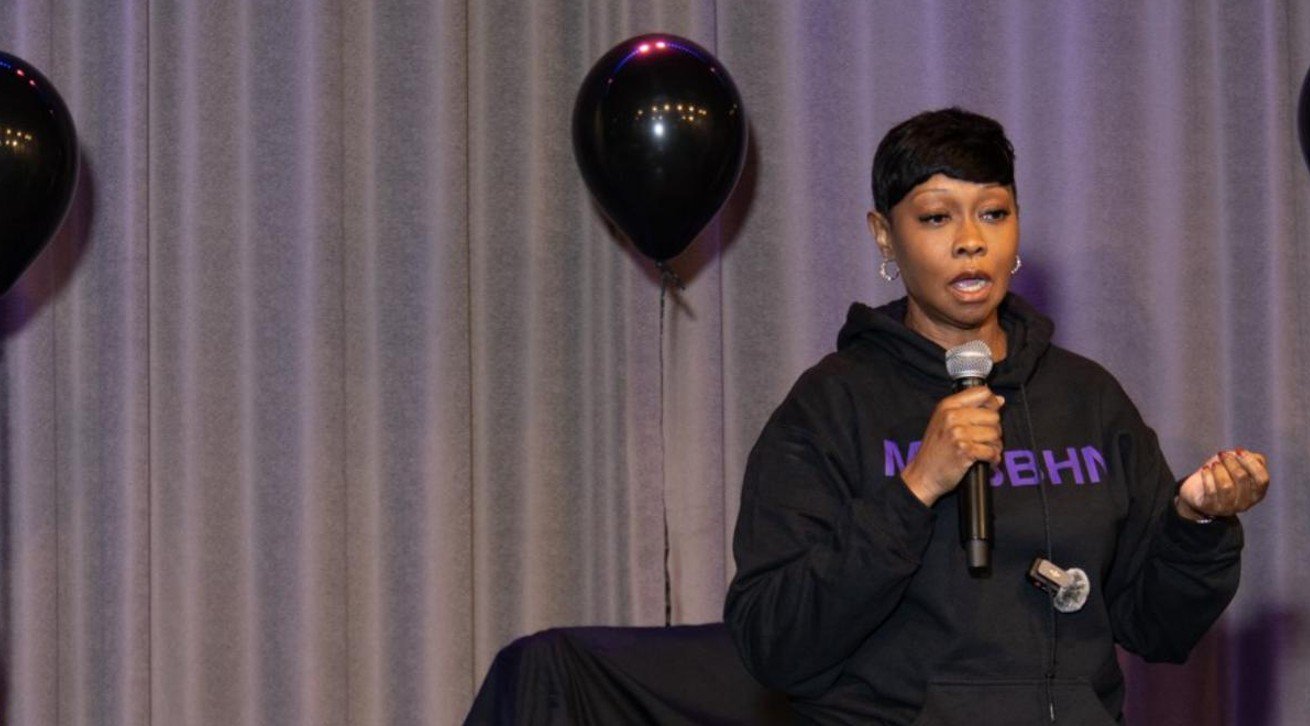
Inside No Studios in Milwaukee, sorrow and sadness filled the air, yet the room also pulsated with a strong undercurrent of hope. Public officials, as well as civic, faith, and community leaders, came together to remember those who were lost and to mobilize.
Dozens of black balloons floated above the crowd, casting quiet shadows over a room filled with community members, civic leaders, and fierce advocates. These balloons served as stark, floating monuments to the countless lives stolen by the drug overdose epidemic. This was Samad’s House Black Balloon Day—a sacred space carved out for mourning, but equally, a launching pad for preventing deaths.
Black Balloon Day serves as a national day of remembrance. The black balloon symbolizes the heavy, suffocating toll of overdose deaths. It is a visual representation of the empty spaces left behind at dinner tables, in family portraits, and within our neighborhoods. On Friday, March 6, that symbolism transformed into a powerful catalyst for collective action. A community was turning its deepest pain into a structured, life-saving purpose.
Tahira Malik, the CEO and founder of Samad’s House, stood before the attentive audience, holding the room’s focus with a message grounded in both sorrow and determination. “Each year we commemorate the lives lost unnecessarily to overdose deaths,” Malik shared. “These deaths were preventable. Black Balloon Day is a time to mourn and to issue an urgent call to action. We have the tools, naloxone, fentanyl testing strips, and other harm reduction education to be able to save lives. Our mission is to ensure that every community, especially Black and Brown communities, has access to these life-saving resources.”
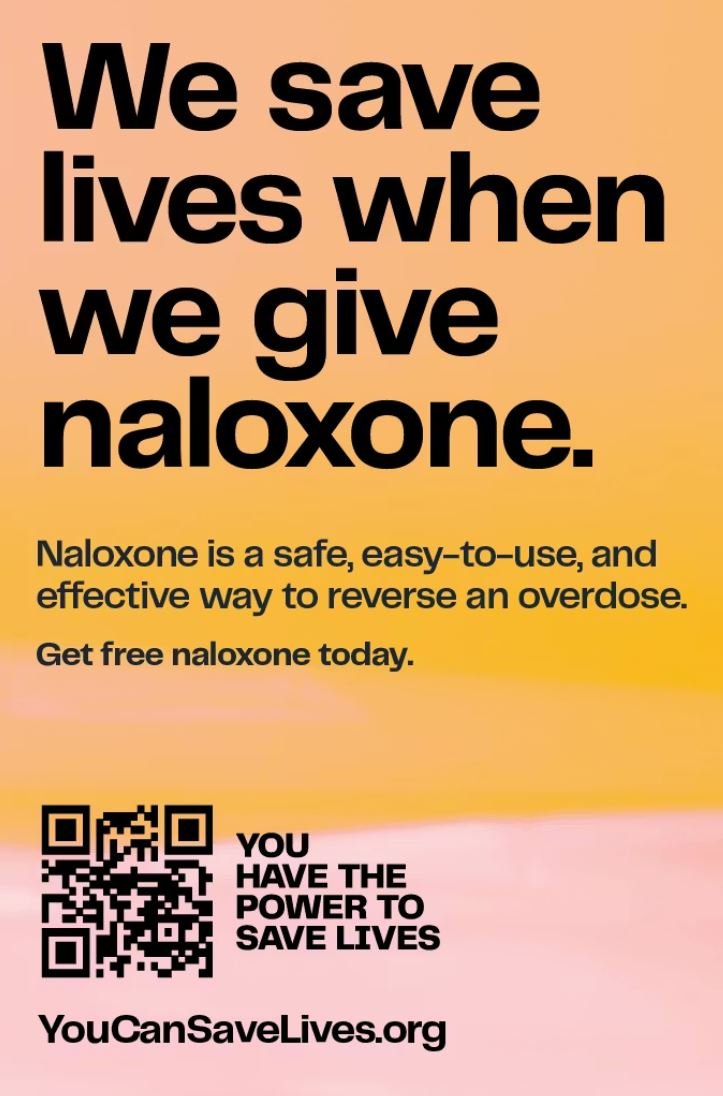
In May 2025, a glimmer of hope emerged from the Centers for Disease Control and Prevention: drug overdose deaths had plummeted by 27%, dropping from a staggering 110,000 in 2023 to 80,000 in 2024. Provisional data for late 2025 suggests an even further decline to 72,000. Yet, behind these promising numbers lie sobering truths. In 2024, Milwaukee County mourned the loss of 450 lives to overdoses. While the county mirrors the national trend of declining deaths, a devastating racial disparity persists: Black Milwaukee residents continue to die at nearly twice the rate of their White counterparts, despite similar rates of drug use. Amid this crisis, lives are being saved—thanks to the relentless efforts of leaders like Tahira Malik and community resources such as her Samad’s House, one of the Midwest’s leading sober living homes for women. Nonprofits, along with city and county governments, are stepping up with compassionate harm reduction initiatives, from naloxone distribution to fentanyl test strips, offering tools that save lives. At the heart of this fight is Malik, a woman in recovery herself, who has become a tireless advocate for the resources, practices, and policies needed to prevent overdoses and protect her community.
Here, Malik answers 10 critical questions that could mean the difference between life and death—and offers a roadmap to saving lives.
The drug overdose epidemic continues to devastate Milwaukee and communities across the Midwest, leaving a trail of grief and loss that is heavily concentrated in neighborhoods of color. While harm reduction approaches and public health initiatives have made strides in reducing overall fatal overdoses, this success often fails to reach everyone equally. Recognizing that a collaborative effort is needed to confront a regional crisis, local leaders have united to launch the Midwest Regional Black and Brown Harm Reduction Network.
The groundbreaking network aims to expand to 12 or more states and unite organizations serving Black and Brown communities. The Network will strengthen collective power, share resources, advance racial equity, and drastically reduce drug overdose deaths.
To understand the urgent need for this Network, we must look at the stark realities on the ground. Black and Brown communities in the Midwest experience disproportionately high overdose morbidity and mortality. This crisis is compounded by structural racism, criminalization, limited access to culturally responsive services, and underinvestment in infrastructure, public resources, essential services, business development, capital funding, and other conditions that diminish the quality of life in Black communities.