By Giavana Margo
MILWAUKEE, WI -When someone endures a non-fatal drug overdose in Milwaukee, they are likely to receive a surprise visit the next day. The Fire Department’s Milwaukee Overdose Response Initiative (MORI) makes house calls on overdose survivors across the city, checking to see what they may need to stay alive – naloxone, counseling, food, clothes, treatment.
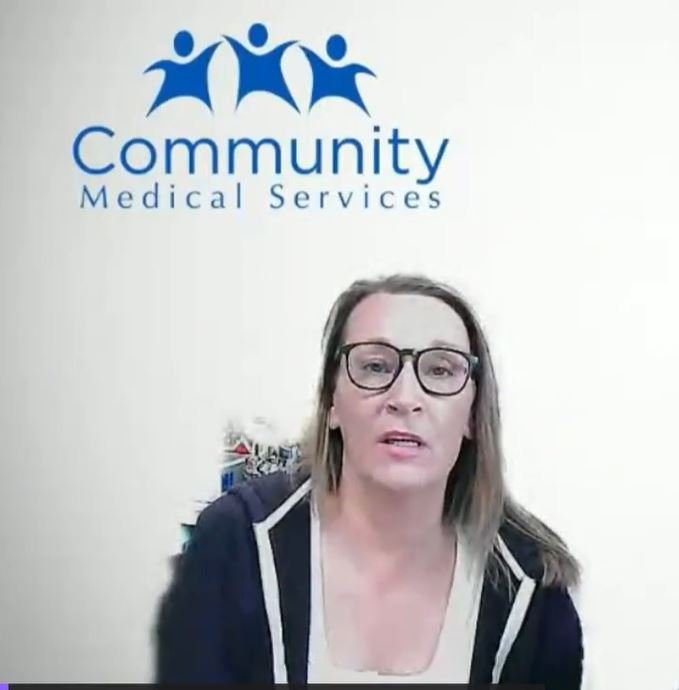
In a recent appearance on the Samad’s House Voices of the Front Lines podcast, Amy Molinski, a clinical substance abuse counselor and certified peer support specialist for MORI, described their work. “We get in the car with a list, and it’s anybody that’s overdosed in the last 24 to 48 hours,” she says. “Those would be our first attempts, but we also have second and third attempts if we don’t reach them the first time we try. And we drive around, knock on people’s doors, and ring doorbells. We ask them if we can help.“
Molinski acknowledges that it is challenging because not everyone will discuss their ordeal or their drug use. “Some days we knock on doors all day without anybody answering,” she adds. “And some days we pick up somebody in the morning, and we spend the entire day with them trying to get resources for them…we provide harm-reduction materials or take them to treatment if that’s what they want.”
The MORI boots-on-the-ground initiative is part of the broader effort to prevent overdose deaths in the Milwaukee area. In the wake of a drug overdose crisis – at least 14,747 Wisconsin residents died from overdoses between 2000 and 2023 – Milwaukee is embracing compassionate harm reduction services and supporting innovative programs like the MORI daily visits to overdose survivors. The harm reduction approach meets people with substance use disorder where they are. When a person with substance use disorder doesn’t want treatment, they are supported, not penalized – they receive health care, services, resources, and other support.
While harm reduction has become more widely accepted among community and civic leaders,
the Federal Government has returned to opposing harm reduction strategies, often favoring a punitive, abstinence-focused “War on Drugs” approach. Specifically, proposed and enacted federal budget cuts have hampered harm reduction efforts by reducing funding for agencies such as the Substance Abuse and Mental Health Services Administration and the Centers for Disease Control and Prevention. The government has also stiffened restrictions on how funds can be used.
But in Milwaukee and Wisconsin, a rampant overdose crisis drove some government leaders to embrace the most effective ways to prevent overdose fatalities: harm reduction services. Moreover, with some local and state support, as well as the $780 million in opioid settlement funds that Wisconsin and local governments will receive until 2038, evidence-based harm reduction and treatment services have expanded, and overdose deaths have been declining. In particular, over that time period, Milwaukee County will receive $111 million in opioid settlement funds. Thus far, about $34 million has funded a range of programs aimed at stemming overdose deaths and drug use.
Due in part to the investment in improved and expanded services, Milwaukee County has experienced a 30% drop in overdose deaths in 2024, and indications are that fatalities have also dropped in 2025. Milwaukee leaders largely attribute the decline to the innovative community, harm reduction efforts underway, such as increased access to naloxone, fentanyl test strips, treatment, and support services.
While this is all good news, the overdose rate for Black residents has declined, but not as rapidly as for whites, as the racial disparity in overdose deaths continues. In 2024, the fatal overdose rate for Black residents of Milwaukee County was 76 per 100,000 people, significantly higher than the rate for White residents at 42 per 100,000 or Hispanic residents at 34 per 100,000. Moreover, Black residents accounted for 42% of overdose deaths in Milwaukee County in 2024, despite making up only 27% of the county’s population.
“What needs to happen next is very clear,” proclaims Adrienne Hurst, Senior Technical Advisor for Overdose Prevention Program at Vital Strategies, a global health organization supporting substantial work to reduce overdose deaths in Wisconsin. “There is funding available, and it’s clear that harm reduction services are triggering the decline in overdose deaths. In other words, we know what works in preventing drug fatalities. Now, we must ensure that the funding, programs, and initiatives that save lives are prioritized in Black communities, where people are dying disproportionately. This is where funding is needed to combat drug overdoses and address equity issues in communities of color.”
Further, Hurst maintains that the social determinants of health, as well as other societal disparities in Milwaukee, help fuel the higher rate of Black overdose deaths. While the level of drug use mirrors other demographics, Black people die at higher rates in Milwaukee and across the country. Many community, government, and civic leaders believe it is because Black residents experience worse health, economics, housing, education, and criminal justice outcomes. Further, they believe systemic racism and historical segregation are fundamental causes for inequalities, including in overdose deaths, particularly in Milwaukee.
“Any comprehensive look at the disparity in overdose deaths must consider the overall environment for Black residents,” asserts Hurst, noting that creating more equitable communities would help lower the overdose deaths in Black communities.
Milwaukee County Executive David Crowley, who supports harm reduction services and has incorporated comprehensive programs to reduce overdose deaths, acknowledges the need to address social determinants of health and disparities. In recent remarks at an event hosted by Samad’s House, one of the leading sobriety residences for women in the Midwest, Crowley said, “Our vision is to become the healthiest county in this country by achieving equity in all areas, racially, socially, and economically.”
His overdose prevention plan uses opioid settlement funds to support initiatives across prevention, harm reduction, treatment, and recovery services, while prioritizing health equity and community-based solutions. Shaped by community input and evidence-based practices, the county’s plan has been nationally recognized for its effective and equitable use of the opioid litigation settlement dollars. Among the initiatives are:
Harm Reduction and Naloxone Access: Expanding access to life-saving supplies like naloxone and fentanyl test strips through the Harm Reduction Milwaukee website and a network of harm reduction vending machines located in high-overdose areas across the county.
Community Grants: Providing funding to local community-based organizations to deliver targeted services to underserved populations.
Mobile-Integrated Health (MIH) Expansion: Utilizing the EMS system to provide short-term and long-term opioid treatments directly to individuals in high-vulnerability areas, aiming to fill gaps in care.
Post-Incarceration Support: The Post-Incarceration Access to Treatment and Healing program targets individuals immediately before and after release from incarceration to provide support and resources, as this is a high-risk time for overdose.
Grief Outreach and Support: Collaborating with the Medical Examiner’s Office and the Medical College of Wisconsin to provide grief outreach, collect data on overdose risk factors, and offer trauma-informed support to families impacted by overdose loss.
Housing and Services: Renovating facilities to provide harm reduction beds for individuals experiencing homelessness and active opioid addiction, offering a safe space and pathway to permanent supportive housing.
Data Collection and Transparency: Emphasizing the use of data to identify high-risk areas and inform public health strategies. The county maintains a public overdose dashboard to ensure transparency and guide decision-making.
Samad’s House is another example of how public-private partnerships can be consequential in the battle against overdose deaths.
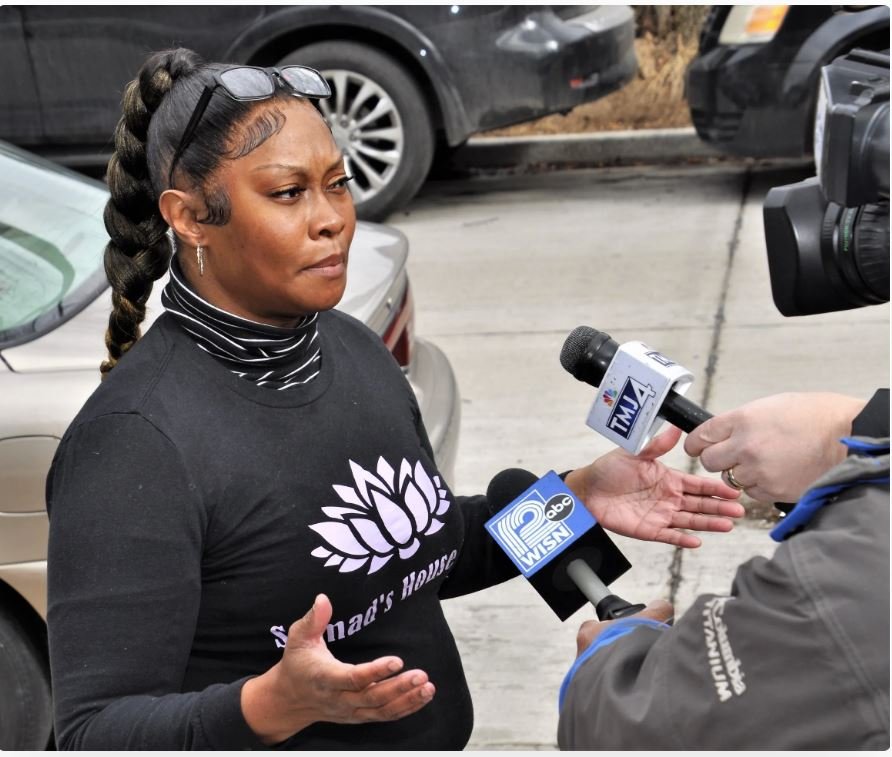
Its founder, Tahira Malik, made an extraordinary journey from substance user to incarceration to community leader, and now spearheads a campaign to prioritize funding in the communities that need it most and address the underlying disparities in Black communities that contribute to overdose deaths.
“In Black communities in Milwaukee and across the US, the decline in overdose deaths has not kept pace with White communities,” Malik says. “Drug-related tragedies continue to devastate families and neighborhoods. Samad’s House is issuing an urgent plea to government leaders, private industry, and philanthropic organizations to ensure that Black communities receive the funding they need to prevent overdose deaths. Every individual, every family, and every community deserves the chance to thrive and build a brighter future. Together, we can ignite change and transform Milwaukee.”
(Giavana Margo is a Program Manager for the Vital Strategies Overdose Prevention Program.)