
Samad's House Frontline Voices
Early Summber Newsletter
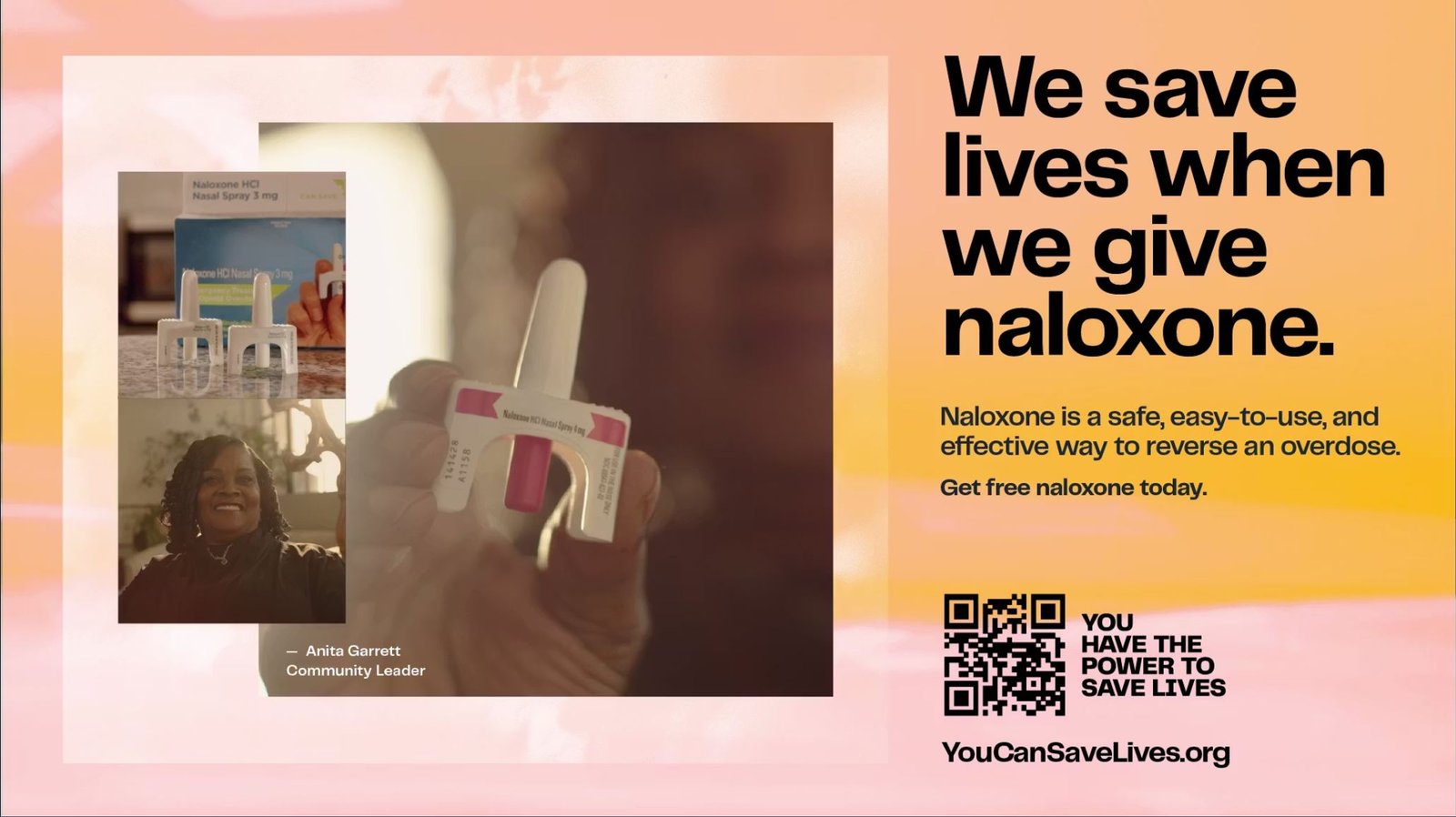
Sammie Garrett was 31 years old the night his life could have been saved. It was 2011, and he was out with friends, partying as so many young people do. Someone handed him ecstasy pills. What no one knew was that the pills were laced with fentanyl. Sammie collapsed.
His friends stood there. They saw him going down. And they did not pick up the phone.
They knew that if they called 911, the police would come. Questions would follow. And under Wisconsin law, the people who handed Sammie those pills could be charged with his death. So they made a choice that has haunted his mother ever since. They left him.
“People ask themselves, Do I want to get involved with this? Do I want to get entangled in the criminal aspect of saving a life?” says Anita Garrett, Sammie’s mother, now a community leader and advocate working to stop overdose deaths. “That’s what happened with my son. It’s because they didn’t want to go to jail that he died. They knew if they called 911, they would face questioning and maybe go to jail. They didn’t want to be prosecuted. They didn’t want their names out there with the law. And then they just left him.”
Sammie died. And a mother was left to carry a grief that never lifts.
A Law Built to Punish
Wisconsin has one of the harshest approaches to overdose deaths in the country. When someone provides drugs that lead to a fatal overdose, the state prosecutes it as First-Degree Reckless Homicide under Wisconsin Statute § 940.02(2), known as the Len Bias law. It is a Class C felony. Three years ago, the penalty was increased to a maximum of 60 years in prison and fines up to $100,000.
The bar for conviction is low. Prosecutors do not have to prove that the drug you provided was the only cause of death. They only need to show it was a substantial factor. Every person who passed the drug along the chain is treated as having delivered it.
For years, Constance Alberts watched the same painful pattern repeat itself. Someone she knew would lose a loved one to a drug overdose. The funeral would come and go. Then life would demand that everyone move on, even when the wound underneath never closed.
“It takes a lot to share grief,” Alberts said. “And it takes a lot to listen to grief. And we realized that there was no avenue for that in our community.”
This August, that gap will start to close. Samad’s House, in partnership with Alberts, is launching a chapter of Grief After Substance Passing (GRASP), a national healing community with chapters across the country. Samad’s House will be providing an eight-week grief counseling program designed for people navigating the loss of someone to a drug overdose.
The Milwaukee program is structured as eight weekly sessions, each one guiding participants through a different stage of understanding and living with their loss. The program doesn’t rush people toward “getting over it.” Instead, it gives grief a place to breathe.
The eight sessions walk participants through:
- Introducing Our Love Ways to the Group — sharing who was lost and what they meant
- Discussing the Stages of Grief — understanding what grief actually looks like
- Connecting with Our Loved Ones — keeping a bond that endures
- Items That Remind Us of Our Loved Ones — using objects to hold memory
- How Music Can Bring Memories of Our Loved Ones — the power of sound and song
- Even Though They Are Gone, They Are Still With Us — carrying presence forward
- How Do We Encourage Ourselves and Others — building resilience together
- Growing Out of Our Grief — finding a path ahead without forgetting