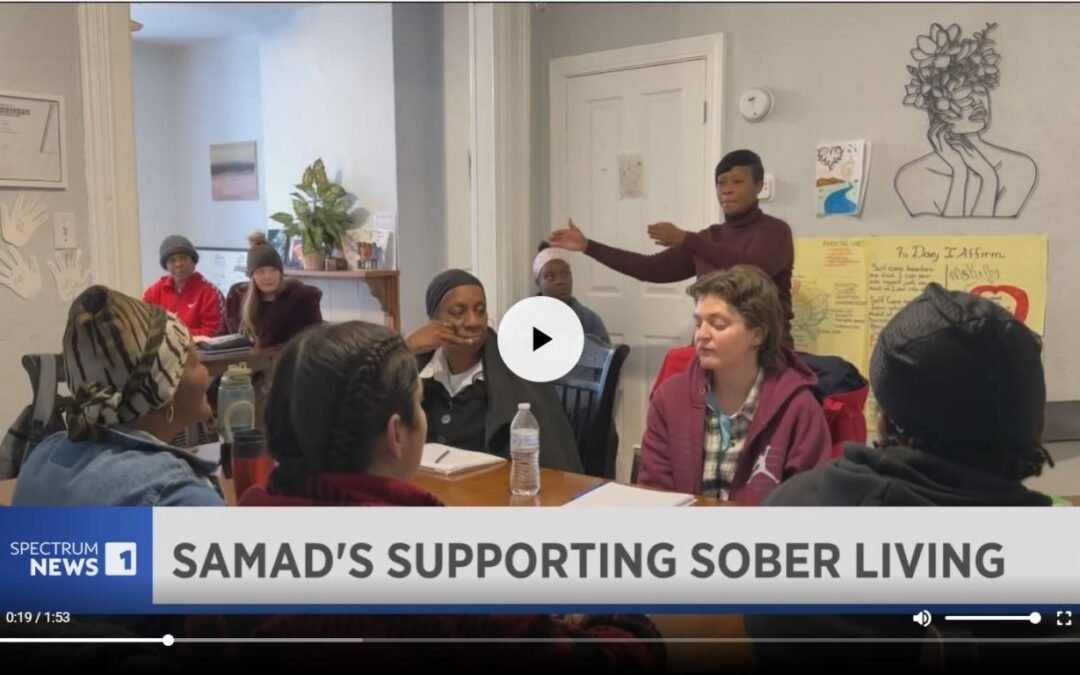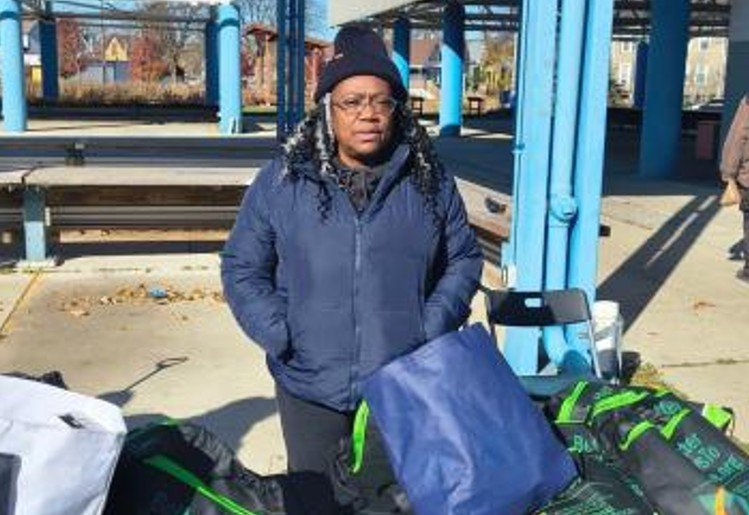
As an ambassador for Samad’s House, Cheryl Jones recently organized tables outside Franciscan Peacemakers on Lisbon Avenue in the Walnut Hill neighborhood on Milwaukee’s Near West Side. Samad’s House is one of the Midwest’s leading residential facilities for women in recovery. That morning, like so many others, Jones was there to counsel residents on harm reduction—offering tools, resources, and services designed to prevent drug overdose deaths and keep users safe.
A woman wandered by, eyeing the table. “What’s in the bags?” she asked.
Jones had heard this question countless times before. Her usual response was straightforward: she’d explain the contents—naloxone, a life-saving medicine that reverses opioid overdoses; fentanyl test strips to detect the deadly synthetic compound in street drugs; and gun locks to prevent accidental shootings. But too often, the response was met with shame. “I don’t use drugs,” people would say, turning away. They wouldn’t take the bags, Jones explained, because they were too embarrassed to admit they might need them.
But at 63, Jones had learned to adapt. That day, she tried a new approach. “I know you don’t use drugs,” she said gently. “But everyone knows someone—a family member, a friend, a neighbor—who does. Naloxone and test strips can save lives. Take them. Let me teach you how to use them. You could save someone’s life.”